ENVIRONMENTAL concerns over Chalice Mining’s proposed infrastructure corridor continue to grow, with Chittering residents and conservation groups questioning its potential impact on wildlife and protected vegetation.
In Infrastructure corridor concern in Chittering, Chalice stated that they were engaging directly with landholders whose properties are directly affected by the corridor, as well as with neighbouring landholders who have raised questions or concerns.
However, some residents such as Sonia Cooke disagree with this statement.
“Unfortunately, that has not been our experience. Residents on our street have been advised that we are not considered ‘affected landholders’ because the proposed corridor does not physically cross our titles, despite it being immediately adjacent to our homes and properties,” she said.
“As a result, we have not been included in discussions about alternative alignments, even though the proposal would have significant impacts on our homes, wildlife, farming operations and rural lifestyle.”
Ms Cooke said she was particularly concerned about the corridor’s potential impact on wildlife, as she has engaged in wildlife rehabilitation for 14 years.
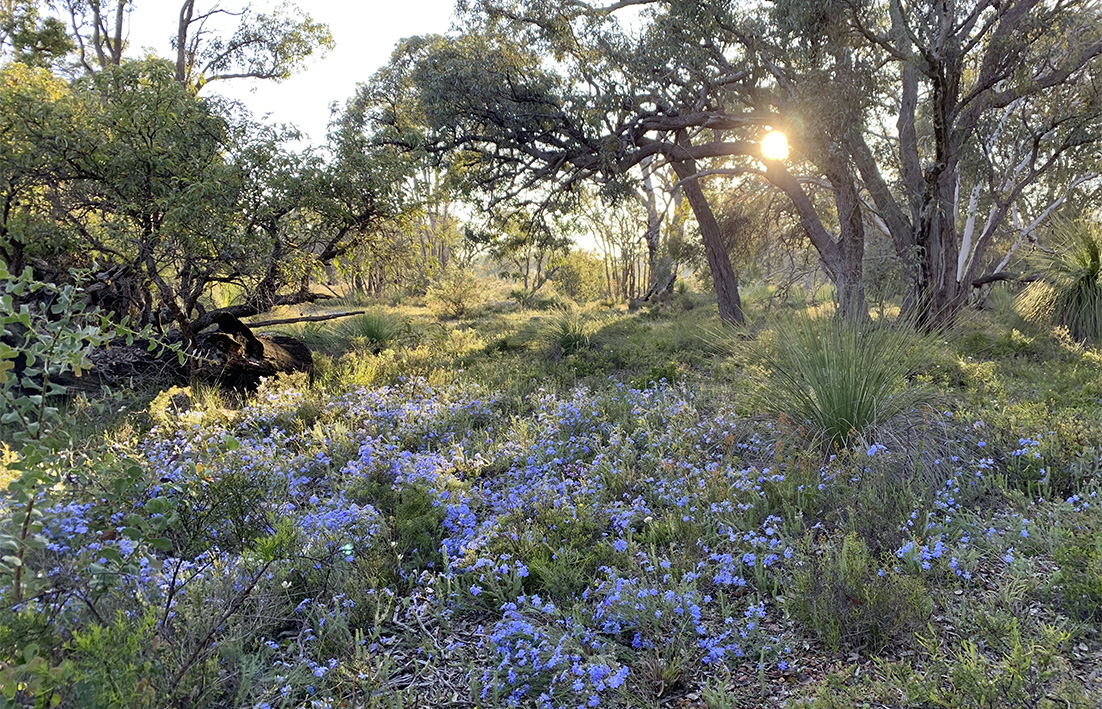
“There’s a lot of bird life here, as well as kangaroos, possums and echidnas, and flora such as orchids,” she said.
“It’s a haven for wildlife when there’s been so much land clearing around the area, especially for Carnaby black-cockatoos.”
In Echo News’ previous article, Chalice said: “Where on ground surveys identified environmental constraints – including known habitat for threatened species – or where landholder feedback showed a route was unworkable, routes were cut.”
But as reported, residents such as Sarah Mchiggins have said they were notified that parts of their property that are under a protected preservation area, covered by a restrictive covenant and environmental management plan would be impacted by the infrastructure corridor.
The Gonneville Project along with the proposed corridor are currently being assessed by the Environmental Protection Authority (EPA), which will look into potential disturbance and impact on plants and vegetation types, as well as animals including habitat and biodiversity
Chalice said in its EPA documentation that it is “committed to rigorous standards and governance frameworks to ensure responsible environmental practices are followed”.
“The preferred corridor is subject to ongoing refinement as part of the environmental assessment and landholder engagement process,” a Chalice spokesperson said.
Julimar Conservation and Forest Alliance secretary Melissa Adams said environmental impacts should be at the forefront of decisions.
“It seems to us like the preferred corridor is the shortest and straightest route possible and not one that is necessarily seeking to prioritise the environment as it runs through a tree preservation area and blocks that have covenants on them, which makes you wonder how protected these areas really are,” she said.
“There are quite a few recorded Carnaby black cockatoo hollows, which are an endangered species.
“The Chittering and Julimar areas are significant breeding places for them, so it is a major concern when those areas are impacted.
“Whether it’s mining or road developments, it’s always concerning to see that protecting endangered species falls to the bottom of the list and the priority is usually placed on the side of mining or other big companies.”
Ms Adams said some people in the area are just finding out about the project and the proposed corridor.
“Chalice has been surveying the community a lot recently, which has provided a lot of important feedback, and the Chittering community are out there not only voicing their concerns, but also actively going out and informing people who live along the proposed corridor,” she said.
“Chalice needs to be upfront about the potential threats the corridor might create.”
The EPA is assessing the adequacy of Chalice’s environmental review document before it is released for public comment.
People can sign up to the EPA mailing list to be informed about the Public Environmental Review status.