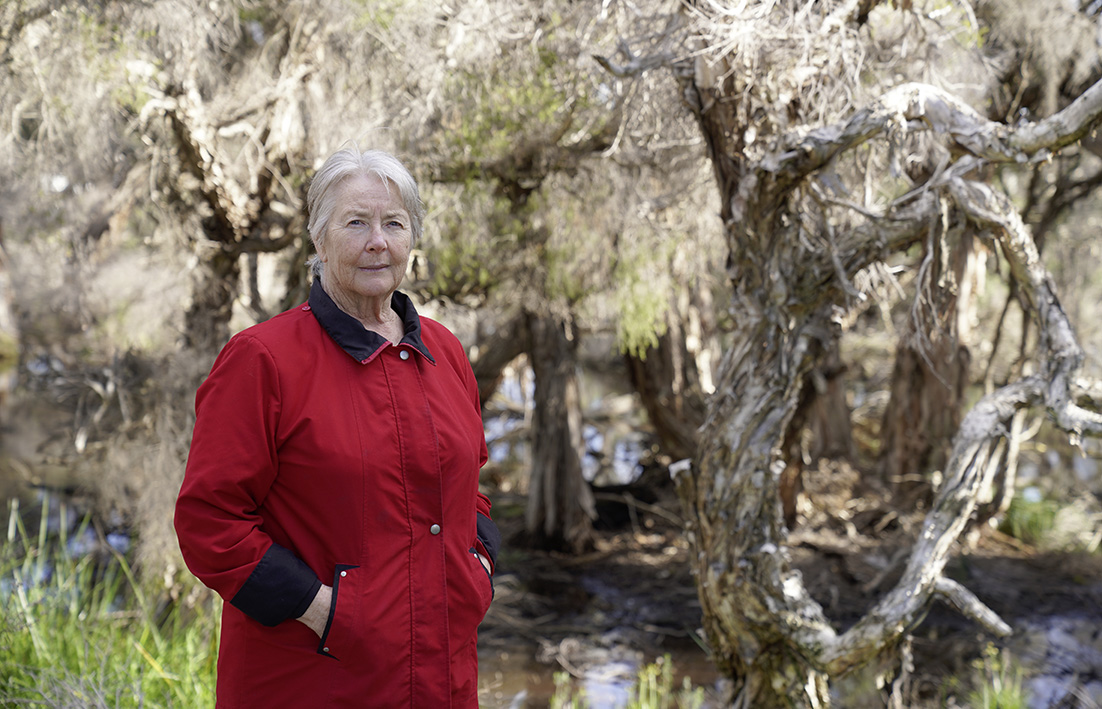
DEPUTY Premier and West Swan MLA Rita Saffioti has met with University of WA ecohydrologist Sally Thompson and Swan Communities Environmental Alliance (SCEA) members to discuss terms of reference for a new review of urban water management.
“I’m very keen to again meet with the group to look at what needs to be assessed as part of any future review, including the terms of reference,” Ms Saffioti said.
“They’re a group that has some significant expertise, and as we continue to develop new suburbs, we have to make sure that our drainage policies are fit for purpose, particularly where we have that intersection of new housing subdivisions and rural residential use.
“This is a particular issue in the valley.”
The request for a major review follows reports of widespread flooding near new urban developments along the north-east urban growth corridor (NEUGC).
According to the SCEA, the assessment will consider improving subsoil drainage guidelines, broadening environmental assessments beyond development footprints, and ensuring compliance with regulations governing water management.
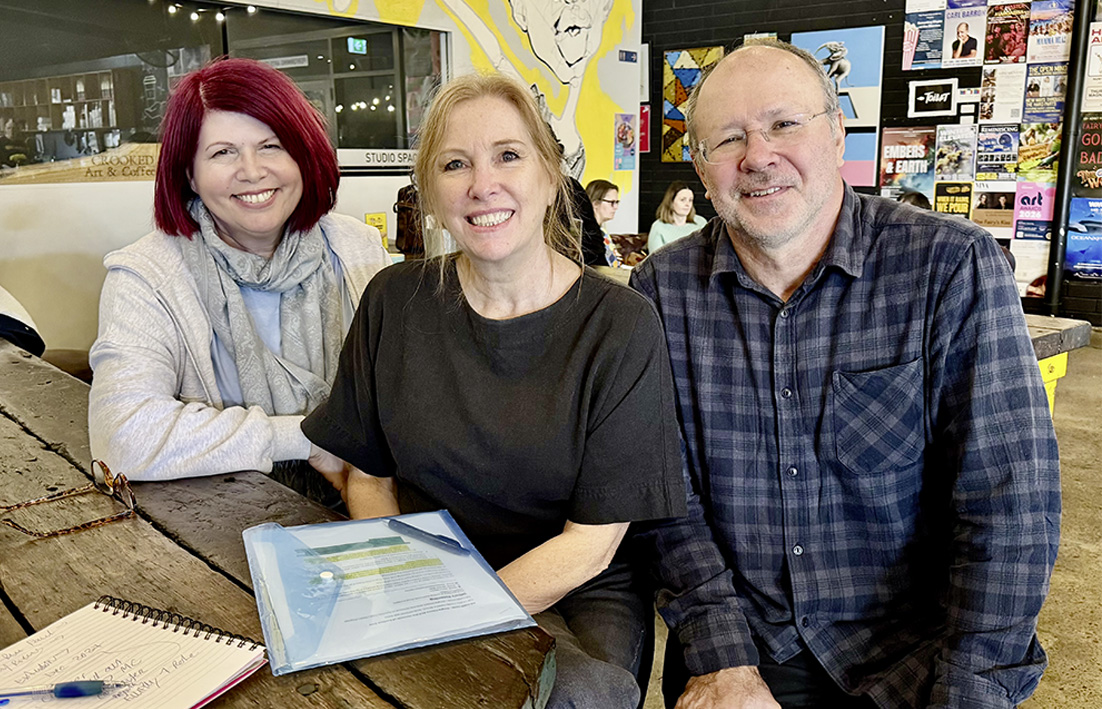
The invitation follows a recent briefing to Ms Saffioti by Professor Thompson and SCEA chair Rob Bradbury and vice-chair Jan Zeck where high groundwater affecting the Swan Valley and the NEUGC was discussed.
Professor Thompson outlined the causes of rising local water tables, and Ms Zeck presented multiple recent examples of high groundwater impacts on local properties, highlighting future development risks if design and implementation continued unchanged.
Ms Zeck said the issue deserved acknowledgement for its severity and its need to be addressed.
“As far as we can see, the only way to address this area is to actually do a review, which will give us good, usable information,” she said.
“If we start to make changes without knowing what we’re doing, what are the parameters that we’re using for that?
“Before anything happens in North Ellenbrook, the studies need to be done in this area so that we have good, sound information we can base more predictions on.
“In the end, all they can do is use the modelling – the developers can use the modelling that they have to make predictions, and to make those predictions more accurate, you need to feed in more accurate information.
“That’s not what’s been happening so far (and) we need really good, sound, solid information.”
Ms Saffioti said she acknowledged the significance and complexity of the flooding issues impacting the Swan Valley.
“I absolutely acknowledge the significance,” she said.
“From my perspective, it’s now about getting into action… there are two key things.
“How do we make sure it doesn’t happen in the future? That’s about looking ahead.
“With the existing issues, what can we do to support local landowners?”
Ms Saffioti said she met with Water Minister Don Punch who also understood the significance of the issue.
“We’re looking more generally at working with the City of Swan on options for how to support better drainage,” she said.
“It is complex because of the significance of the water movements.
“The other point is that this is occurring in other parts of the suburbs too, not only in the Swan Valley.
“So, it’s (about) looking at what measures we can introduce to help support existing landowners, and what policy changes we need to make to ensure it doesn’t occur into the future.”
Ms Saffioti said she was eager to work with the incoming Water Minister Daniel Pastorelli to continue working with the councils across the metropolitan area to support better drainage in soils similar to the Swan Valley’s shallower groundwater systems and clay-rich soils.