THE Department of Fire and Emergency Services (DFES) and Geoscience Australia are encouraging West Australians to learn more about earthquake safety, so they are prepared if the ground starts to shake.
With an average of 100 earthquakes above magnitude 3.0 in Australia every year, communities were urged to familiarise themselves with earthquake safety as part of Earth Science Week held last week.
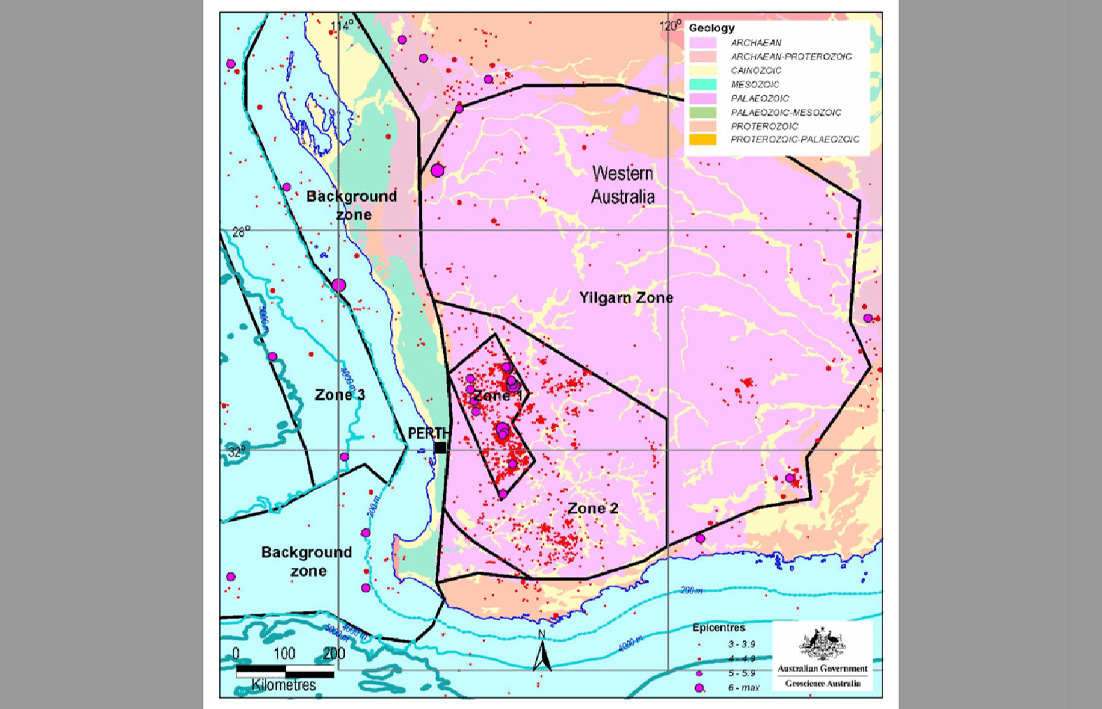
WA is the country’s most seismically active state, experiencing on average a third of all earthquakes in the nation.
In 2025-26, the state experienced 64 of the 141 earthquakes recorded in Australia over magnitude 3.0.
International earthquake safety drill The Great ShakeOut was played last week in participating schools and workplaces to help more West Australians understand what to do during an event.
If you feel the ground shaking, drop to the ground, seek cover under a sturdy table and protect your head and neck and hold on until the movement stops.
DFES operations deputy commissioner Jon Broomhall said preparation and knowing what to do during an earthquake ensured people could react confidently and stay safe.
“The Great ShakeOut safety drill is a timely reminder that big earthquakes can and do happen in Western Australia,” he said.
“Prepare your family and home by securing wall fixtures and tall furniture such as shelves, cabinets and refrigerators that could fall during an earthquake.
“Pay attention to busy areas in the household and objects near heaters as they may fall and start a fire.”
Geoscience Australia chief executive officer Melissa Harris said having trustworthy and
reliable earthquake information helped inform critical decisions for emergency managers and built more resilient communities.
“Earth science helps Australians every day in many ways. The more we know about the ground beneath our feet, the better we can support emergency management, infrastructure resilience and enable safter communities,” she said.
“We can’t know exactly when or where earthquakes will happen, but we can help people prepare and give the best possible information to emergency managers when they need it.”
DFES issues information about earthquake incidents through the Emergency WA website and app.
The WA Earthquake Preparedness Guide provides more information on how to stay safe.
You can submit a Felt Report to Geoscience Australia to help emergency services better understand potential impacts and let them know where to send resources.
The Great ShakeOut earthquake drill is available to download from www.ga.gov.au/about/earth-science-week/the-great-shakeout