THREE genetic research projects are underway, which will lay sound foundations to develop new high performance, resilient canola varieties.
The Department of Primary Industries and Regional Development (DPIRD) is leading a frost project and collaborating with its NSW counterpart on acidic soils and biomass conversion research, all backed by Grains Research and Development Corporation (GRDC) co-investment.
Canola is Australia’s third largest crop by value and the most important break crop for cereals, producing oil for human consumption, as well as plant material for biodiesel production and animal feed.
The ‘Reducing the frost sensitivity of canola in Australia’ project aims to identify frost tolerant germplasm that will help boost the yield of crops subject to frost conditions by more than four per cent.
DPIRD research scientist Brenton Leske said the project would assess the genetic diversity of Australian and international open pollinated and hybrid varieties.
“This research will help develop a complete understanding of where the greatest frost effects are to improve screening for canola frost tolerance,” Dr Leske said.
“Trials will be undertaken in multiple frost prone areas across Australia to develop more frost tolerant varieties.”
The ‘Development of genetic selection tools for improved canola acid soils tolerance’ research objective is to expand the area suitable for canola production and increase yields by 1.5 per cent.
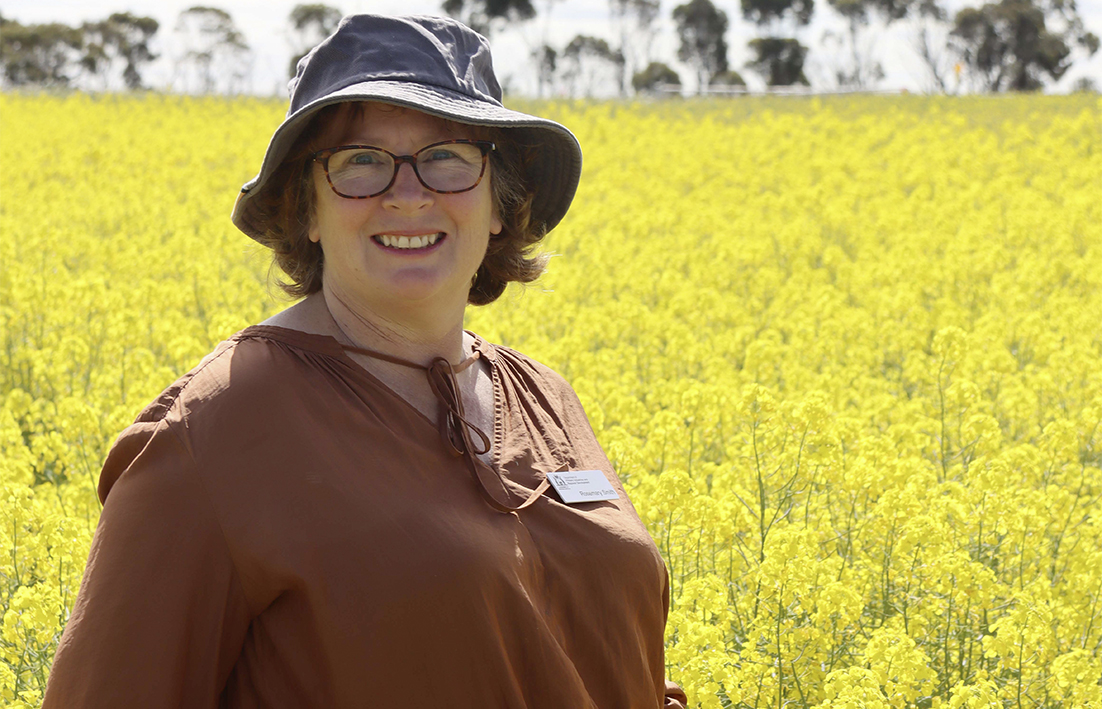
Department research scientist Rosemary Smith said developing varieties with acid soils tolerance could be an effective means of overcoming the constraint.
“The first phase of this work, undertaken by NSW DPIRD, will identify the genes and genomic regions associated with acid soils tolerance, which will test candidate lines under a range of Australian conditions,” Ms Smith said.
“The project team will develop screening methods to be made available to canola breeders and pre-breeding entities, validated by glasshouse and field trails.
“The end result will enable the development of high yielding canola varieties with improved acid soil tolerance for targeted production.”
The ‘Determining source to sink relationships in canola and identifying exploitable genetic diversity’ project aims to identify the traits that increase and stabilise the conversion of canola biomass to grain yield.
The research will deliver valuable information on traits that influence the ratio between yield and biomass – known as the Harvest Index – and the interactions between them.
This includes physiological traits such as plant emergence, shoot biomass, flowering, plant height, stem carbohydrates and plant nitrogen.
For more information on these projects visit the GRDC website.