THE Shire of Chittering council unanimously voted to acknowledge the area’s telecommunication vulnerabilities when a power outage occurred, resolving to advocate for the community.
The officer’s recommendation was to note the electors’ decision that the shire requires backup power for phone towers and the chief executive needed to be instructed to write to the relevant service providers and state and federal representatives to advocate for adequate backup power systems.
Cr Curtis moved and spoke to the motion, supporting the officer’s recommendation.
Cr Curtis asked Shire of Chittering chief executive Melinda Prinsloo to explain how the backup power worked in the event of a power outage.
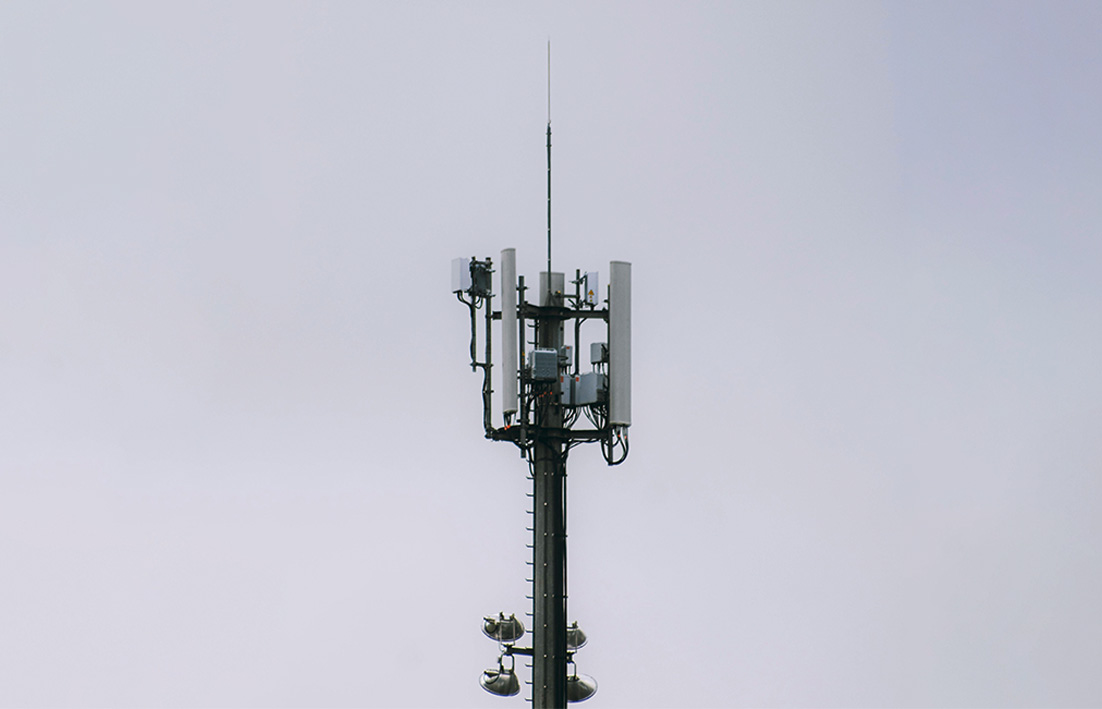
Ms Prinsloo said phone towers,, generally did have back-up power.
“If my memory serves it’s for six hours and after that the key infrastructure have generators allocated to them,” she said.
“So if the power is out for a longer period for some of the key towers that feed more than one line, they have got generators from the teleco and NBN infrastructure teams to power up those towers.”
Cr Curtis asked if the backup power had improved since the storm damage Chittering had had last year which took out all communications.
Ms Prinsloo said it would be difficult to know if it had improved unless put to the test again.
“What typically happens in these cases is that (we are affected by) a storm cell always classified as something that (could not be foreseen).
“In the normal run of winter or summer storms they (the teleco and NBN infrastructure teams) should be able to cope with it.
“It is (usually when) it’s a storm cell that’s unexpected or an event that’s unexpected that puts pressure on the systems.”
Cr Curtis expressed some confusion at the explanation and asked if Shire of Chittering President David Dewar believed the community understood the technicalities.
“I would say they would,” Cr Dewar said.
Ms Prinsloo added that the infrastructure was not the shire’s responsibility however acknowledged the shire did usually attempt to help community members communicate in the event of a telecommunications infrastructure failure.
“What we can do, and what we (already) do, is invite the community to come into the library, where we have a generator and air conditioning available if it’s summer and it’s hot,” she said.
“We also have community Wi-Fi available for people to stay in contact with their loved ones, so we will promote this more in cases like that because that is a satellite connection (and) not your normal power connection.
“We will be promoting what we do to our community to assist them but other than that, it would be up to people to remain informed with their own service providers.”