TWO people have been convicted in the Armadale Court of serious biosecurity offences involving the illegal keeping of exotic animals, following a joint agency investigation led by the Department of Primary Industries and Regional Development (DPIRD).
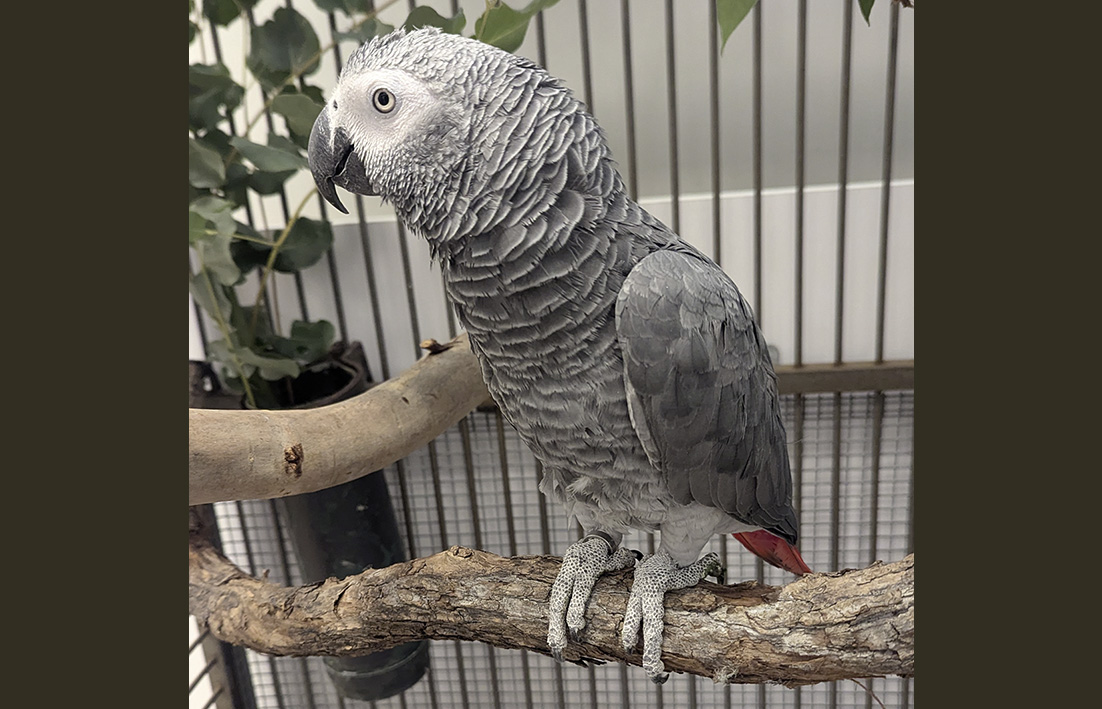
A Chittering man was convicted and fined $5,189 for his role in the illegal possession of exotic snakes and a Huntingdale man was fined $3,189 for illegally possessing an exotic crocodile and parrot.
The Department of Biodiversity, Conservation and Attractions (DBCA) also charged the Chittering man with five counts of unlawful possession of fauna, for which he received a $1,000 fine, suspended for six-months, and granted a spent conviction.
DPIRD worked on the operation with DBCA, with the support of other State and national compliance agencies.
Some of the animals seized were listed as protected and threatened species, as well as declared biosecurity pests in Western Australia.
Under the WA Biosecurity and Agriculture Management Act 2007, it is illegal to import or be in possession of declared pests. The Biodiversity Conservation Act 2016 promotes the protection of fauna (native species) and it is an offence for a person to take or possess fauna without lawful authority.
DPIRD Specialist Compliance and Investigations Director Nigel Schofield said the convictions reinforced the seriousness of wildlife trafficking and the biosecurity risks to Australia’s unique environment and agricultural systems.
“Exotic species can carry diseases not present in Australia, including pathogens that threaten native wildlife, livestock and human health,” he said.
“If released or escaped, these animals may also become invasive, disrupt ecosystems and outcompete native species.”
A number of the seized animals were rehomed to locations where they could be kept lawfully and the biosecurity risk and welfare needs managed.
Suspect animal trading activities can be reported anonymously to the Crimestoppers website.