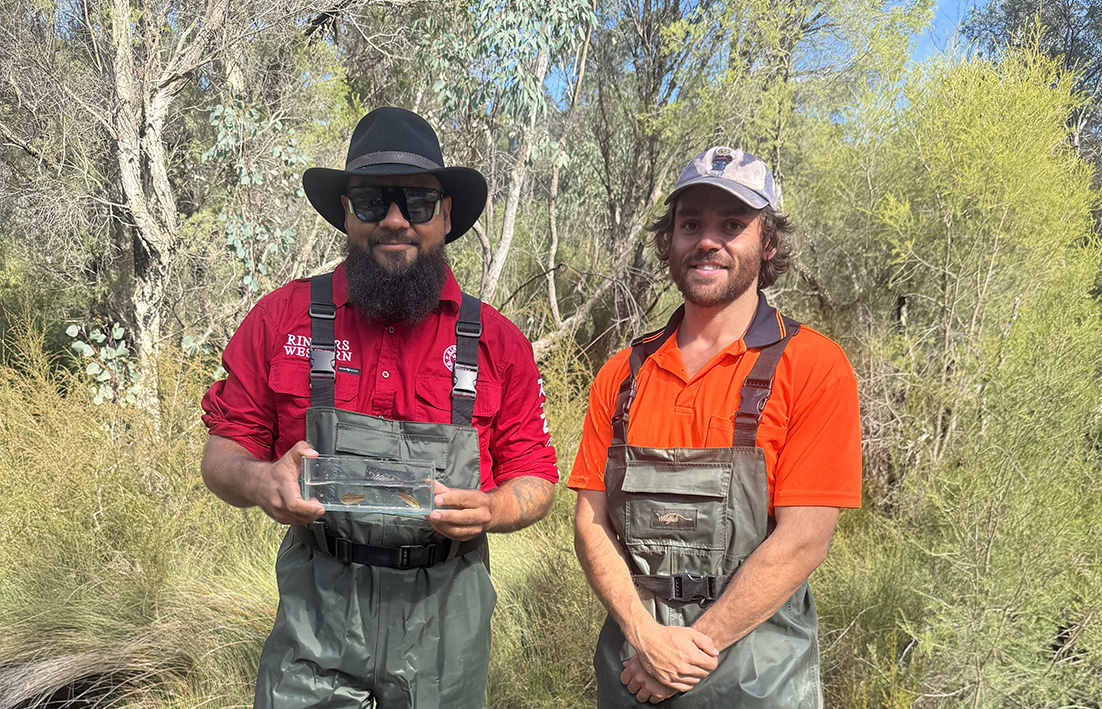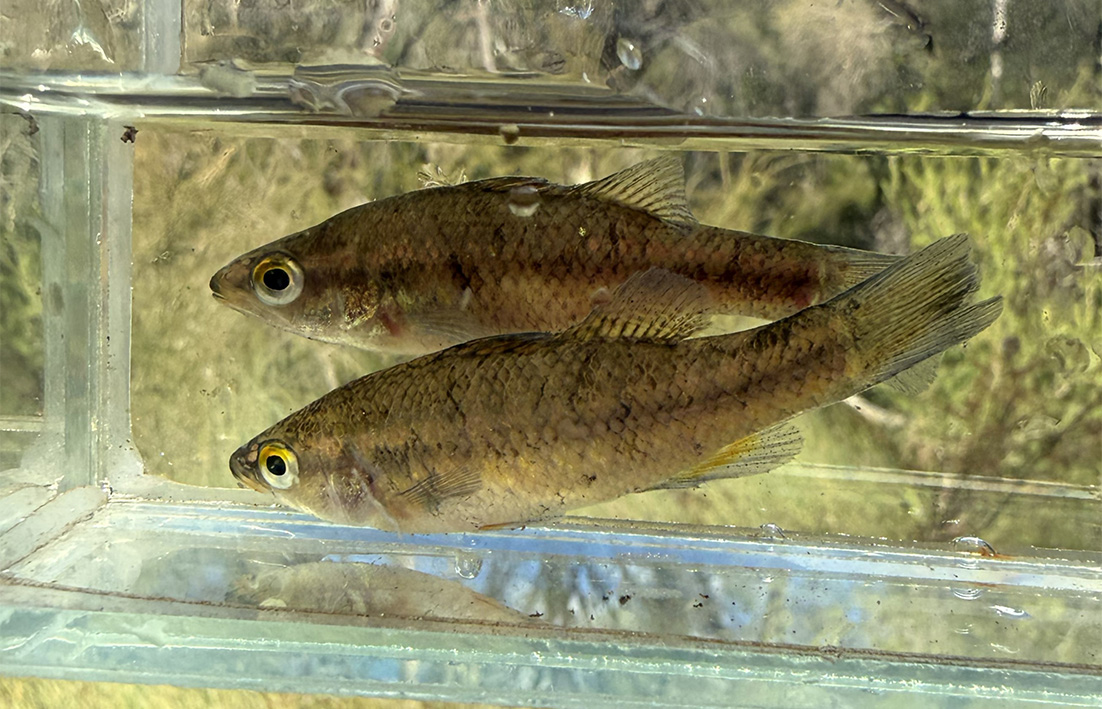
BIBBUL Ngarma Aboriginal Association (BNAA) has discovered a locally previously believed extinct fish - the rare and threatened Balston’s pygmy perch - in the Mandoon Bilya (Helena River).
It was first detected through eDNA sampling as part of the BoorYul-Bah-Bilya (BBB) program, which is building a biodiversity baseline across the entire Mandoon catchment.
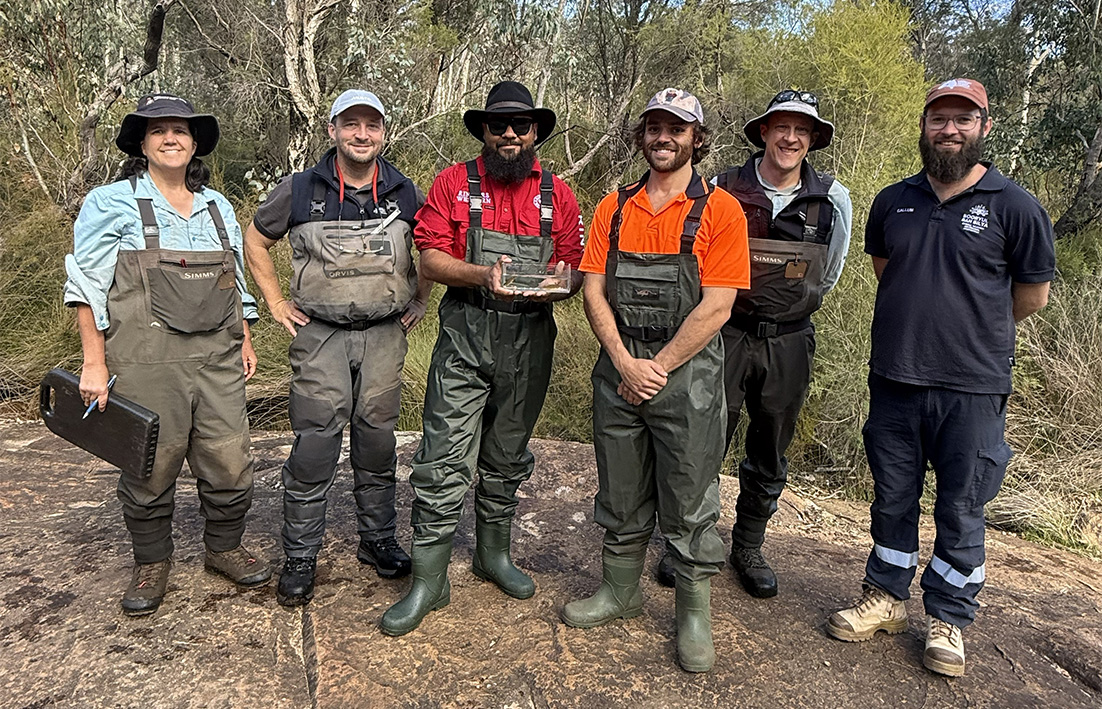
“We then collaborated with the Department of Water and Environmental Regulation’s (DWER) river science team to undertake targeted fish surveys to confirm its presence. Some of our new BBB rangers supported these surveys - an incredible experience that we will never forget,” a spokesperson said.
Balston’s pygmy perch is one of the rarest freshwater fishes in the southwest and was long thought to be extinct north of Margaret River, making this discovery particularly significant.
The species faces a high risk of extinction due to habitat clearing and the impacts of a drying climate.
This new northern population may be more resilient to climate change, making its protection and recovery especially critical.
The findings will be used to inform future conservation, land-use planning, and land management decisions.
BNAA will continue to work with key stakeholders to support conservation actions and improve habitat for this and other threatened species in the Mandoon catchment.
This is the second rare and threatened species previously thought to be locally extinct that has been rediscovered through the BBB program so far, alongside the Perth Hills quokkas.
These discoveries highlight the power of community working in partnership with government to generate science that informs land use and management decisions, and helps to support threatened species recovery, protect climate refuges, build resilience to climate change, and enable Aboriginal Rangers to care for Country.
The species’ decline has been driven by land clearing, habitat degradation and salinisation, in addition to altered river flows and habitat extent due to water use and climate change.
Barriers in river systems can restrict fish movement, while introduced species such as trout and eastern mosquitofish (Gambusia holbrooki) pose additional risks related to predation and competition.
Climate projections for southwest WA indicate further declines in groundwater and surface water availability, increasing pressure on the remaining populations.
The findings will be reported to the state government to inform future conservation, land-use planning, and land management decisions.
BNAA will continue to work with stakeholders, including DWER and the Department of Biodiversity, Conservation and Attractions (DBCA), to support conservation actions and improve habitat for this and other threatened species in the Mandoon Bilya (Helena River) catchment, including mainland quokkas.
BNAA executive director and environmental scientist Francesca Flynn said the discovery of the Balston’s pygmy perch in the Mandoon Bilya (Helena River) was incredibly significant.
“It highlights the importance of investing in long-term, community-led programs like BoorYul-Bah-Bilya, and the power of community and government working together, led by Noongar Traditional Owners and informed by modern scientific techniques like eDNA, to achieve the best outcomes for Country.
“It also emphasises the importance of protecting groundwater-dependent ecosystems, which provide critical refuge for threatened species across the southwest, including the Perth Hills. In our drying climate, these ecosystems are more important than ever,” she said.
“This discovery strengthens the case for the long-term protection of the entire Mandoon catchment as one of the most significant and relatively intact natural landscapes on Perth’s doorstep.”
BNAA BBB ranger Trei Winmar said being out on Country as a young Noongar ranger and finding the Balston’s pygmy perch was a really great opportunity.
“We have only just started as BoorYul-Bah-Bilya rangers, so to have already found this fish has been great timing for us. Not many people get to see this fish, so it was amazing to be there and be part of the discovery.
“This finding will make our rangers team work even harder to care for our rivers and the beautiful Country up there in the hills.
“Hopefully, it will lead to us doing more of this kind of work – getting out on Country, discovering what’s still out there, and learning how we can better protect our rivers.”