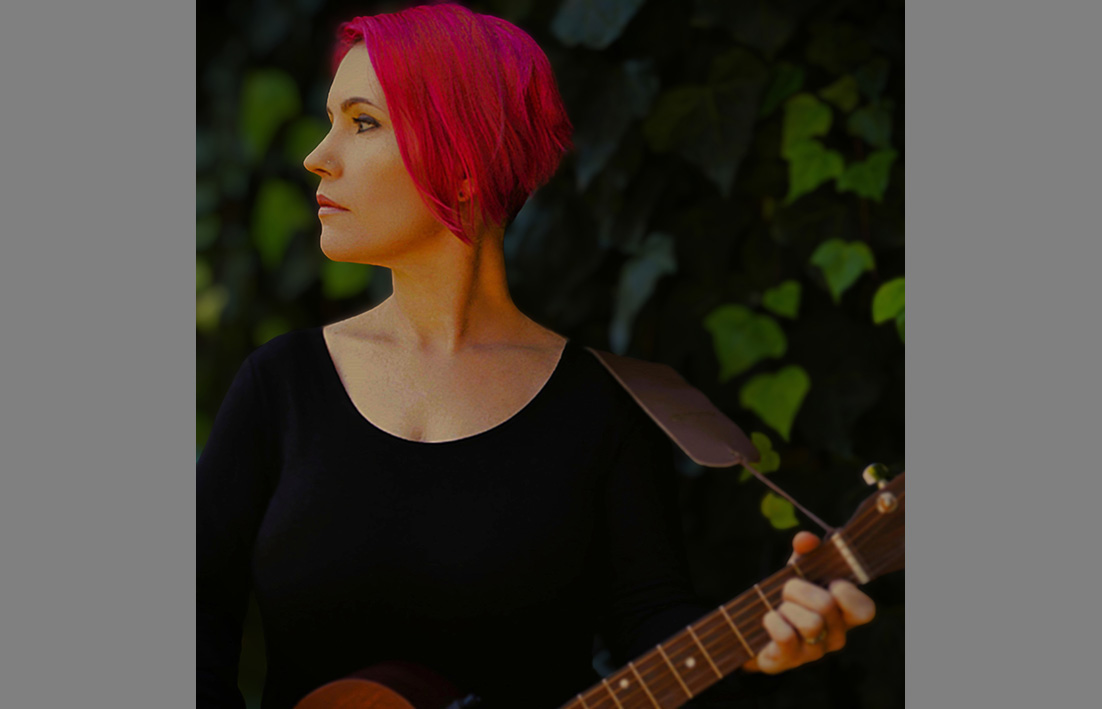
GUILDFORD singer-songwriter Calida Sari is using music to give a voice to people living with invisible disabilities, chronic illness and neurodivergence through her latest album project, Songs for the Invisible.
The Guildford-raised musician is releasing the album gradually throughout 2026, drawing on her experiences living with fibromyalgia, chronic migraines, ADHD and autism.
For Ms Sari, songwriting was always a way to digest emotions and help communicate it with others.
“Music and writing songs have always been, for me, like free therapy,” she said.
“It’s a way to work through what I’m thinking about and what I’m experiencing at the time.”
While the subject matters explored were deeply personal, Ms Sari said she hoped the songs could also help others feel less isolated.
She said many people who connected with her work online were women living with chronic illness or invisible disabilities looking for others with similar experiences.
“The people that I’ve spoken to so far, who are disabled as well, have really liked it and like what I’m doing and the reasons why I’m doing it,” she said.
“I’m hoping it’s just going to slowly spread.”
The album marked a return to music after a lengthy hiatus as Ms Sari stopped performing live at 26 and spent almost two decades away from the stage before returning to songwriting and recording in late 2024.
At the time, she had not yet been diagnosed with autism and struggled to understand why she repeatedly experienced burnout.
“I couldn’t work out why I kept burning out and not being able to do what everyone else seemed to be able to do around me,” she said.
Receiving diagnoses for autism and ADHD in her early 40s helped explain decades of challenges.
“Every aspect of my life made sense,” she said.
“It was like all the puzzle pieces fell into place.”
Today, unpredictable pain meant live performances were no longer possible.
Ms Sari said her experience with fibromyalgia affected not only her pain levels but also her muscle strength, dexterity and vocal cords.
“There’ll be some days where my body just refuses to work properly,” she said.
“So, staying at home and recording around those disabilities is really the only way that I can make music.”
Ms Sari said much of her time was spent managing social media, creating online profiles, uploading music to various platforms and contacting radio presenters in the hope of gaining exposure.
“It’s a lot of hard grinding work of just emailing, emailing, emailing, follow-up emails,” she said.
Despite the challenges, she has found encouragement through community radio and disability-focused audiences who embraced the album’s message.
Beyond the music, Ms Sari said greater awareness could improve understanding of invisible disabilities and chronic illness.
She said receiving autism and ADHD diagnoses later in life helped explain years of burnout, career changes and struggles that previously made little sense.
“A huge amount made sense,” she said.
“It was amazing. I just wish I’d been able to get the diagnosis earlier.”
One of the songs on the album, Not Today Satan, explores the daily realities of living with chronic pain and the temptations that could accompany long-term suffering.
When asked by Echo News, she said a lyric from the song stood out as one of her favourites.
“Not today, Satan, not today, but you make it damn hard to look the other way,” she said.
Ms Sari said the line reflected the constant battle many people with chronic pain face as they search for relief while trying to avoid unhealthy coping mechanisms.
“You’ve really got to stand up for yourself against yourself as well,” she said.
Raised in Guildford, where her parents have lived for about 50 years, Ms Sari said she hopes Songs for the Invisible will help bring conversations about disability, chronic illness and resilience into the open.
“Any kind of art is a great communication tool,” she said.
“Particularly if you’ve got really strong messages behind it.”
Ms Sari’s most recent music and music video are both available to stream.