BIBBUL Ngarma Aboriginal Association (BNAA) have added to the chorus of opposition to the continued expansion of mining by Alcoa in the Perth Hills’ jarrah forests - especially in the Mundaring Weir drinking water catchment, the focus of their Helena River conservation program.
“Community and scientists alike have serious concerns about Alcoa’s activities that relate to drinking water, community health and the irreplaceable loss of environmental, cultural and social values too numerous to list,” a spokesperson said.
“Our forest is the only jarrah forest in the world. We have already lost over 50 per cent of it in less than 200 years, and the remainder is under enormous pressure from a drying climate, low rainfall, dieback and disease, polyphagous shot-hole borer, tree canopy death, increased bushfire risk, feral species, and land clearing for development.”
The association claims that in 60 years, Alcoa have cleared 280sqkm (28,000ha) of forest, an area fourteen times the City of Perth and now want to clear another 110sqkm (11,000ha).
“Yet not one single hectare of rehabilitated land has been accepted back by the WA government as restored to our state’s rehabilitation criteria. Even worse, clearing is outpacing rehabilitation, meaning there is a growing backlog. Alcoa’s operations are now visible from space,” the spokesperson said.
“Mining currently impacts 10 of 15 major drinking water catchments for Perth and the southwest. Proposed exploration extends those impacts to all 15 catchments. This is a disaster.”
The association said while the Cook Labor government did not create the Alcoa State agreements, they are responsible for managing them and acting in the best interests of all Western Australians, including protecting drinking water and unique wildlife, including iconic black cockatoos and mainland quokkas.
“Alcoa’s drilling expansion is within the same area that we recently discovered a new mainland quokka population in Mundaring Weir catchment,” they said.
“We strongly believe there should be no further expansion of mining in our jarrah forests until we properly understand all of the risks. The stakes are simply too high. When our drinking water is impacted, it is already too late. Once the jarrah forest is gone, it is gone forever.”
The association acknowledged and thanked the many people and organisations in the community who have spoken out to protect the forests and waterways, including several local governments in the Perth Hills who have formally opposed Alcoa’s expansion, including Shire of Mundaring, City of Kalamunda, City of Armadale, Shire of Serpentine Jarrahdale and Shire of Waroona.
“Our community will not accept the continued destruction of the world’s only jarrah forest and the certain risk to our drinking water,” the spokesperson said.
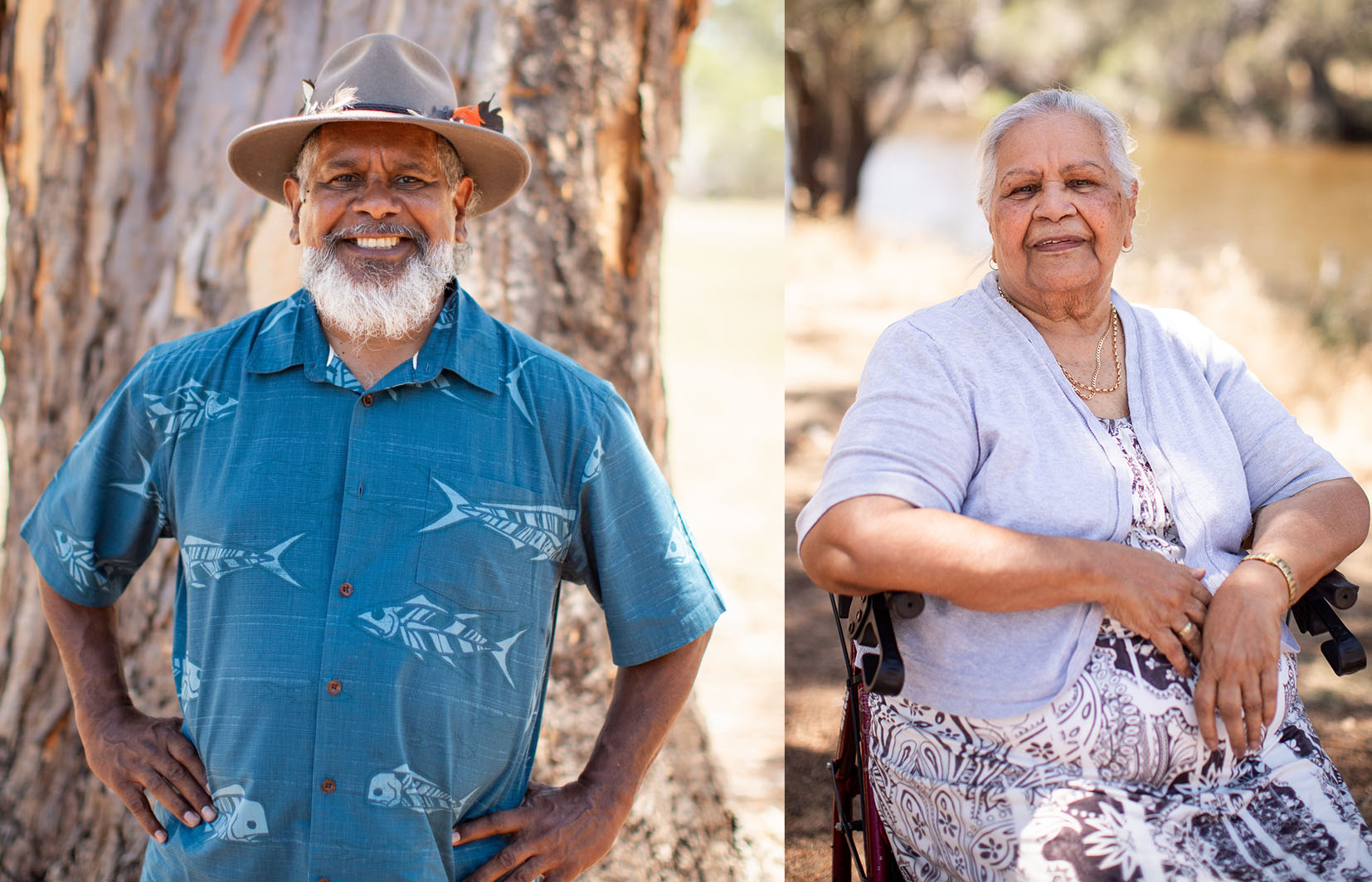
BNAA Chairperson and Noongar Elder, Walter McGuire said his people have lived on this land for millennia, drinking from all the freshwater streams, rivers and creeks.
“Now in 2025, no one can drink safely from our rivers without treatment. Western Australian government reports highlight that less than 1 per cent of waterways are now pristine,” Mr McGuire said.
He said he was also deeply concerned about impacts to archaeological and cultural heritage sites and their likely damage and destruction.
“We know there is a high density of heritage sites in Alcoa’s expansion area, especially around waterways and granite outcrops, but only a handful of these sites are registered with the Department of Planning Lands and Heritage because there have been very few formal heritage surveys in the area. This leaves these sites vulnerable and without legal protection.
BNAA Senior Elder, May McGuire said she did not like Alcoa going in the country in the hills because they will kill the water and make it no good to drink.
“They will spoil the streams and kill the land, the bush itself, the jarrah trees, the birds, the fish, the quokkas, all the animals,” she said.
BNAA executive director and environmental scientist Francesca Flynn said mining and drilling in drinking water catchments is inherently very risky.
“It carries a lot of complex risks, and many are worsened by a drying climate including rising salinity, disturbed water flows and aquifer recharge, disrupted rainfall runoff and reduced streamflow, increased soil erosion and dust, and increased risk of pollution and drinking water contamination,” she said.
“Mundaring Weir catchment taught us the link between tree clearing and salinity - when the weir was constructed, trees were ringbarked (killed) to increase water flow into the dam, but it also increased salinity.
“The government spent years reforesting the area, including land buy back, to stop the rising salinity and protect our drinking water. Clearing for mining activities will have a similar effect.”