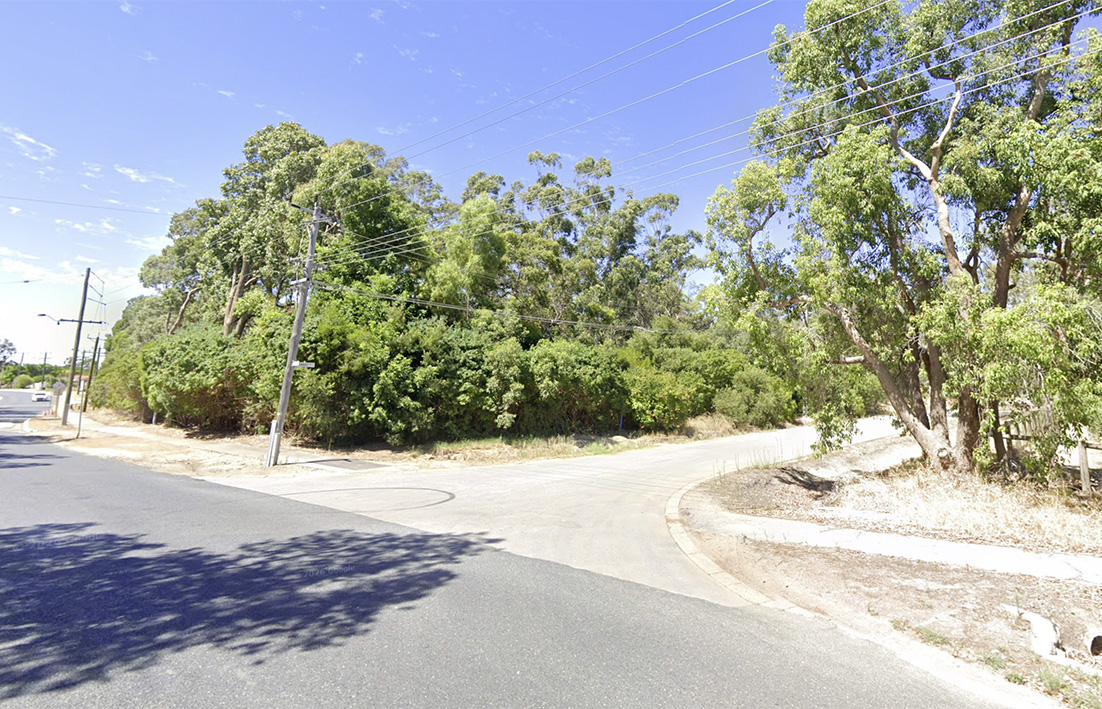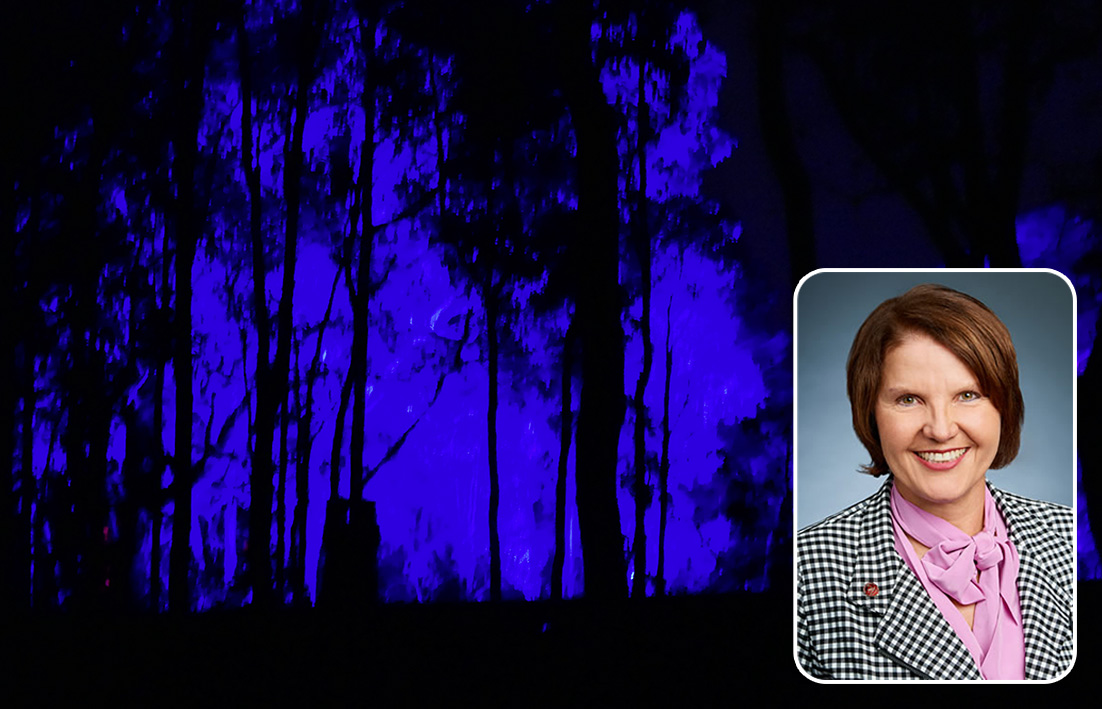
A RECENT address to the Legislative Assembly has drawn renewed attention to the ongoing debate surrounding wildlife protection at Kalamunda’s Jorgensen Park, prior to the opening of the controversial Harry Potter event last week.
Speaking to state parliament on June 10, Animal Justice Party MLC Amanda Dorn raised a number of community concerns regarding the nighttime transformation of the Kalamunda bushland.
“This represents another example of wildlife being disregarded for commercial entertainment,” she said in her address.
“Jorgensen Park has never been a site for commercial events. It is used by people who cherish the magic of the natural surroundings to enjoy dog and bushwalking, spotting wildflowers and birdwatching, as well as mountain biking and running.”
During her address, Ms Dorn questioned the regulatory framework behind the event’s approval.
“It is difficult to understand how, after considering the significant impact of this event, a decision was made by the EPA that this proposal was actually not significant, and did not require referral for an environmental impact assessment,” she said.
“Locals are opposing it because they understand that conservation land should exist first and foremost for conservation, not as a commercial stage set at the expense of all the wildlife that lives there.”
In response to conservation concerns, independent environmental assessments were conducted by both the City of Kalamunda and the event proponent, with the latter concluding the project was unlikely to have long-term impacts, as reported in Kalamunda finalises lease for Harry Potter event (Echo News, May 8).
The Harry Potter event officially opened on June 12 and will run until next month, with the last advertised date on July 12.
The event has injected new urgency into a broader debate over environmental policy, with Ms Dorn citing the event as an example why an independent Office of Animal Protection is needed – a current parliamentary petition which has drawn 928 signatures as of June 16.
“The concerns raised by residents are not only about this specific event; they reflect a broader frustration that decisions affecting animals and wildlife are often made without an independent body whose primary responsibility is to advocate for animal welfare and wildlife protection,” she said.
“In this case, residents believe conservation and wildlife concerns were outweighed by commercial considerations, despite the presence of threatened species and extensive community concerns.
“When decisions are being made that could affect endangered wildlife and sensitive habitats, there should be an independent authority able to assess those impacts solely from the perspective of animal welfare and protection.
“This is why I continue to encourage Western Australians to support the petition to establish an independent Office of Animal Protection, because wildlife cannot speak for themselves, and too often their interests are treated as secondary to other considerations.”