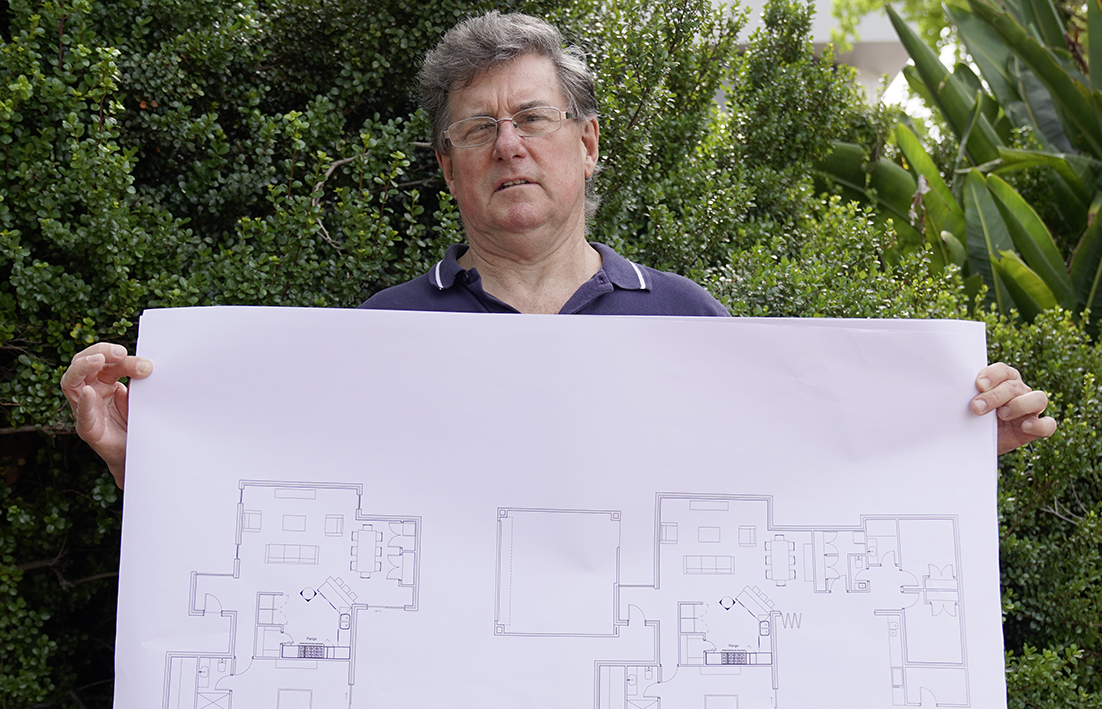
A KALAMUNDA building designer is proposing a staged housing concept he believes could help people enter the property market as construction costs and affordability pressures rise.
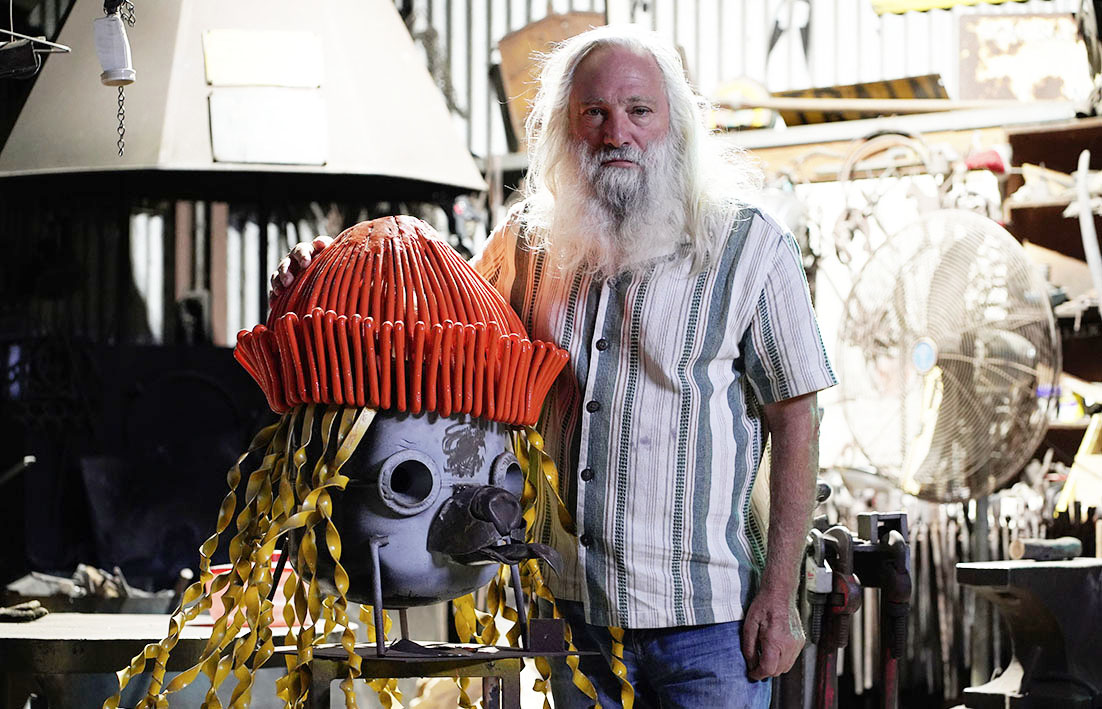
Kalamunda-based building designer Neil McKenzie has developed a “future-proofed” home design that allows buyers to start with a smaller initial build and expand over time as their financial situation improves.
Mr McKenzie said the idea grew from years of frustration with wasted roof space and what he sees as a growing focus by project builders on large, fully built homes that are out of reach for many first-time buyers.
“You start off with this massive roof area that’s just holding air and collecting dust,” he said.
“It makes more sense to design it so it can be used later on, when people are ready to expand.”
The concept centres on building a modest single-storey home, often with one bedroom, one bathroom and an open-plan kitchen, dining and living area.
The design is documented so additional rooms can be added later without major redesign or disruption.
By allowing for future extensions in the original plans, services such as plumbing and gas can be positioned to avoid costly rework when homeowners choose to build on.
Mr McKenzie said the approach could significantly reduce upfront building costs, potentially saving buyers around $150,000 depending on the design and site.
“With house prices and construction costs where they are, that kind of saving can be the difference between getting into the market or staying stuck renting,” he said.
He said high material and labour costs, combined with large deposit requirements, were making it increasingly difficult for buyers to secure their first home.
“If you’re trying to save 15 or 20 per cent for a deposit, that’s a big hurdle,” he said.
“Starting smaller makes the loan smaller, which makes it easier for a broker to get you over the line.”
Mr McKenzie said many volume builders favoured selling large packages upfront, sometimes exposing buyers to price increases during construction.
“If someone signs a fixed-price contract, it should stay fixed,” he said.
“People are getting a rude shock when prices change partway through the build.”
Unlike modular or factory-built housing, Mr McKenzie’s designs favour traditional double-brick construction, which he said remained popular with Perth buyers because of its strength and longevity.
He said modern insulation standards and energy-efficiency requirements meant brick homes could still perform well in Perth’s climate.
Mr McKenzie said the staged approach was suited to buyers planning to remain in one home long-term as it allowed them to build only what they needed initially and expand as their family or finances change.
“People don’t need four bedrooms straight away,” he said.
“They need something affordable that they can grow into.”
Mr McKenzie said Cosmopolitan Design has operated for about 30 years, working on residential extensions, renovations and small commercial projects.
Mr McKenzie has been based in Kalamunda for around a decade.
He said his proposal was not a single answer to housing affordability challenges but one option he hoped would be considered alongside other solutions.
“This is a solution, not the solution,” he said.
“But it’s a practical way to help people get started.”