QUENDAS from Kalamunda and Brigadoon have recently been presenting with sarcoptic mange despite the disease originally not appearing in the area.
Kanyana Wildlife hospital manager Tasha Rea said the nature of the disease was resource demanding.
“Treatment of mange is quite intensive, with many patients requiring weeks and even months of care,” she said.
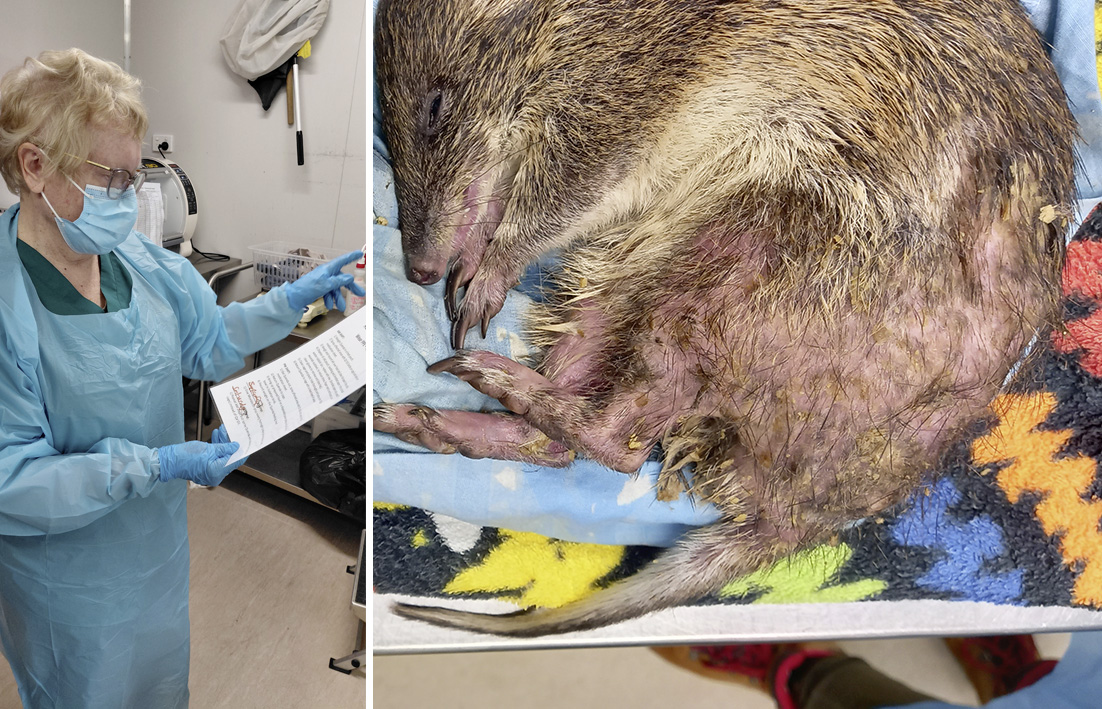
“If mange is suspected, our dedicated microscopy team confirm the diagnosis by skin scraping and our treatment team will then manage each patient in our isolation unit.
“The treatment protocol can be stressful for these patients, so our team also provide (artificial) hides and shredded paper in their enclosures, to allow them to retain their normal nesting behaviours and to minimise their exposure to humans.
“As sarcoptic mange is zoonotic, and can be transmitted to people, our team have to wear PPE when tending to these patients.”
Kanyana has received 14 quendas in with sarcoptic mange as of October 13.
Half of those were received from mid-July 2025 onward.
“Sadly, we are seeing an increase in admissions and found localities,” Ms Rea said.
“Sarcoptic mange was initially found in quenda in Roleystone and in the past, mange cases in Perth’s quenda population have been largely restricted to Roleystone, Kelmscott, Jandakot, Canning Vale and Coogee.
“Our most recent cases have come from Kalamunda and Brigadoon, although we don’t know if this is due to foxes or increased environmental stressors, such as drought.”
Ms Rea said the rise in mange cases has put a strain on resources and encouraged members of the public to stay vigilant for cases of quendas in trouble.
“It is also important to look out for any foxes who have signs of mange as it is believed that they are transmitting this horrible mange to quendas,” she said.
“Any foxes suffering from mange should be removed from the area humanely or report the fox to authorities.”
If a quenda with mange is encountered, it is advised that touch should be avoided and people and pets should be kept away from the animal.
To assist in getting the proper treatment for the suffering animals it will be important to record the exact found location and take photos as well as report the cases with accompanying images to the nearest wildlife hospital or Wildcare helpline.
“If you would like to help us care for our mange quendas, we would really appreciate pillowcases and towels, vitamin E oil, PPE, donations to our vet bills and expenses or volunteer work,” Ms Rea said.
Donations may be made on the Kanyana Wildlife donation page.