THE Australian Government is preparing for a highly contagious strain of bird flu that is not in Australia yet but has spread quickly across the world, according to the Department of Climate Change, Energy, the Environment and Water’s H5 avian influenza page.
DCCEEW said while bird flu preparedness activities had been a national focus for many years, H5 bird flu had spread quickly across the world through the movement of wild birds.
“We are preparing for a possible outbreak of H5 bird flu in Australia and working collaboratively with state and territory governments, industries and the non-government sector to enhance preparedness and national response capabilities,’’ the page said.
“Overseas outbreaks show that H5 bird flu would have significant impacts on our wildlife and agriculture industry, especially poultry and communities if it reaches Australia.
“First Nations communities may be uniquely impacted, particularly in relation to traditional hunting practices, culturally significant species and land use.”
The page said government actions were focused on preparing for an outbreak and supporting biodiversity, the industries, other sectors and communities that would be affected.
In the rest of the world, the H5 avian influenza strain has caused severe disease and high death rates in wild birds, infected more than 500 bird species from more than 25 avian orders and infected more than 60 species of mammals including seals, dairy cattle, cats, foxes, dogs and a pig.
H5 bird flu has also infected some people who worked closely with infected animals or environments contaminated with bird droppings and the ability to directly infect poultry with HPAI viruses and cause severe disease immediately (without needing to mutate).
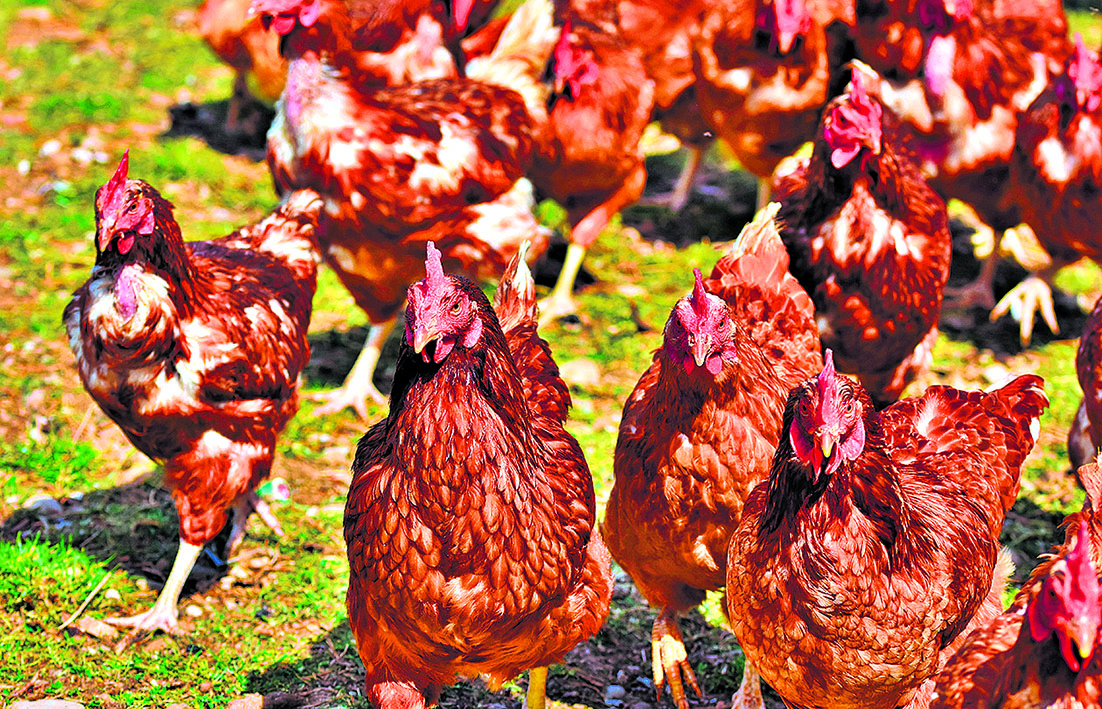
The Department of Primary Industries and Regional Development (DPIRD), which is organising a free biosecurity workshop in September for pasture-based poultry producers, said the avian influenza risk to poultry from close contact with wild birds was well recognised.
DPIRD told Echo News it was unable to provide information on the number of pastured poultry producers in WA.
A DPIRD spokeswoman said good biosecurity practices were essential to reduce the risk significantly.
“Surveillance programs are in place to detect the different strains of avian influenza present in wild birds in Western Australia and Australia,” she said.
“The WA poultry industry implements biosecurity measures to reduce the likelihood of the avian influenza virus being introduced to poultry properties.
“This includes segregating commercial and domesticated birds from wild birds, sanitising water and practicing good disinfection onto and off the property.’’
She said DPIRD continued to engage with producers to increase awareness of clinical signs of avian influenza to aid early detection and rapid response.
“These workshops will assist pastured-based poultry producers to develop a plan to implement processes, specific to their farm, to improve biosecurity.’’
Poultry owners are encouraged to attend a half-day workshop at the Lowery Community Hall in Bullsbrook on Monday, September 15.
Deputy chief veterinary officer Marion Seymour said the workshops would focus on biosecurity actions pasture-based poultry businesses can take to keep their flocks healthy and reduce the risk of a range of diseases, including all types of avian influenza.
“By the end of the workshop, pasture-based poultry owners will have the first draft of a biosecurity plan tailored to their property, a suite of biosecurity information and a farm biosecurity gate sign to take home,” Dr Seymour said.
“Local DPIRD field veterinarians will also be on-hand to assist and answer poultry biosecurity questions.”
To register visit the DPIRD Eventbrite page at tinyurl.com/2urde3xs
Unusual signs of disease or mass mortalities in domesticated birds, wild birds or other wildlife should be reported as soon as possible to the emergency animal disease hotline on 1800 675 888.
The Opposition has been contacted for comment.