THE City of Swan is among the country’s top 25 hotspots for a deadly lung condition, according to a new report.
The area is home to more than 500 Aussies living with severe Chronic Obstructive Pulmonary Disease (COPD), of which emphysema and chronic bronchitis are the most common forms.
Other local government areas in the state identified as national hotspots include Rockingham and Mandurah, with more than 500,000 Aussies living with severe COPD.
Unveiled at Australian Parliament House last week, the ‘Change that can’t wait: Reducing the human and economic burden of COPD in Australia report’ by health advisory firm Evohealth also found that more Australians lose their lives to COPD than to prostate and breast cancers combined.
“We know that COPD rates are more than three times higher in areas of socioeconomic disadvantage, which likely contributes to a disproportionate impact on these communities,” Evohealth managing director Renae Beardmore said.
“Further, Aboriginal and Torres Strait Islander people experience highly inequitable COPD outcomes. Not only are they more likely to be diagnosed with severe or very severe COPD, but are hospitalised with COPD almost five times more often than non-Indigenous Australians.
“Measures to improve COPD management in Australia must acknowledge and address the fact that this is clearly a disease of inequity,” she said.
The report shines a light on the significant burden of the little-known condition in Australia, highlighting that COPD is the number one cause of preventable hospital admissions in Australia, responsible for one hospital admission every 10 minutes (53,000 per year), which accounts for 268,000 bed days each year and claims more than 7600 Australian lives each year.
The lung disease is three times more prevalent in areas of socioeconomic disadvantage and costs the Australian healthcare system $1.67 billion annually.
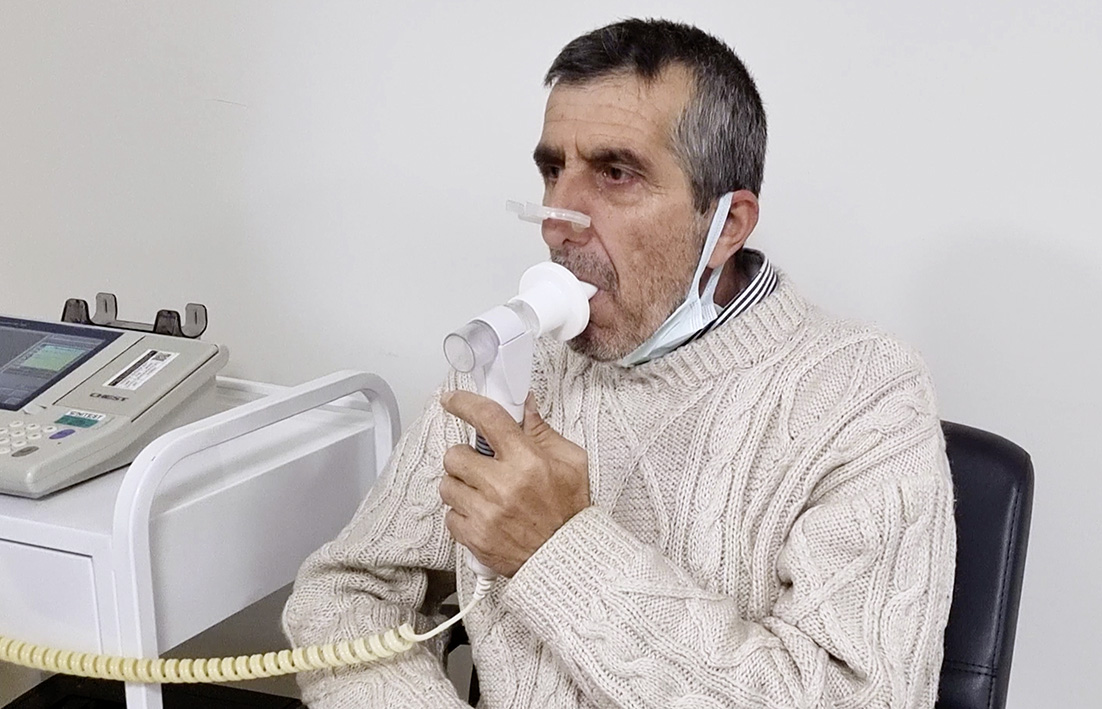
The report also warns that more than 8-in-10 Australians being treated for COPD have not undergone spirometry testing to measure how much air they can breathe in and out in the 12 months before or following the start of COPD therapy. This is despite spirometry being widely recognised as the gold standard for diagnosing COPD and assessing its severity.
“When it comes to lung disease, Australia can do much better. Current approaches to COPD management are failing many of the half-a-million Australians living with this condition,” report contributor and respiratory program head at The George Institute for Global Health Professor Christine Jenkins said.
“Delayed diagnosis, inconsistencies in care, and limited access to effective treatments are driving many of these Australians into hospital time and time again, adding further strain to healthcare resources and budgets,” she said.
The report makes a number of recommendations for reducing the burden of COPD and improving its management in Australia, chief among them the boosting of spirometry testing in primary care to enable early and accurate COPD diagnosis and assessment.
COPD, of which emphysema and chronic bronchitis are the most common forms, is an incurable and progressive lung disease that causes breathing difficulty.
It is caused by lung tissue damage and inflammation, leading to narrowing of the airways and inability of the lungs to fully expand and contract.
Early symptoms include breathlessness, persistent cough or wheeze and increased mucus production, which can worsen without effective management, causing frequent chest infections and progressive loss of lung function.
Funded by Sanofi Australia, the report highlights that one in every four patients dies within a year of their first COPD lung attack, known medically as an exacerbation.