COMMUNITY consultation will close on November 10 for the City of Swan’s draft tourism plan 2025–2030, which outlines six pillars to strengthen the region’s tourism draw.
The plan’s six key pillars are visitor experiences and attractions, infrastructure and accessibility, visitor servicing, sustainability, marketing, and industry partnerships.
The city said the plan was shaped through “extensive consultation” with community, industry, and government stakeholders, and that the document reflects local priorities and aspirations gathered during the process.
According to the draft, a total of 86 contributions were received through interviews, surveys, internal workshops, and a public-facing Swan Engage page, which recorded 442 views during its initial release.
However, those figures have raised concern from some residents who question whether the feedback base is broad enough to represent the wider community.
Under a Facebook post sharing the draft plan link, Brigadoon resident Karen Mowat wrote that 86 contributions seemed minimal when compared with the city’s 179,207 residents, based on the 2024 Australian Bureau of Statistics estimated resident population.
“Eighty-six contributions and 179,207 residents, never mind all the tourists who visit,” she said.
Swan resident Jeremy Shannon also commented and said 442 views out of 179,207 residents was 0.0024 per cent and 86 contributors was 0.00048 per cent of the City of Swan population.
“One could argue this was developed in isolation,” he said.
As part of the draft plan’s strategy to boost involvement and resident engagement, it offered the chance for participants to be in the draw to win one of two $100 Swan Valley gift cards.
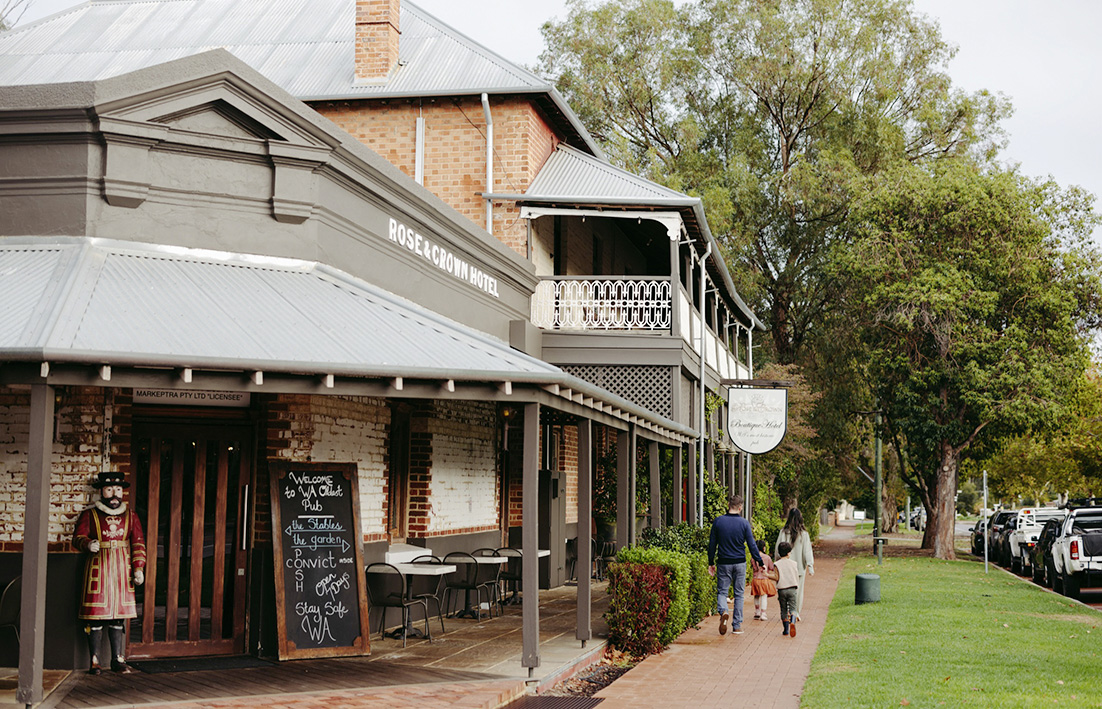
The draft plan identifies tourism as playing a vital role in the city’s economic, cultural and environmental fabric, encompassing nationally recognised destinations such as the Swan Valley and heritage precincts in Guildford and Midland.
In Swan winemaker celebrates win amid planning concerns (Echo News, August 29), Icon of the Swan Valley winner Ian Yurisich whose family owned the oldest vineyard in the valley, said the heritage of grape growing was under threat from looming pressures to subdivide the valley.
He urged residents to be vigilant to any changes in the current Swan Valley Policy Act, reviewed every five years, which promoted subdivision and development of the grape growing areas of the valley.
“It was a sad day when we left Guildford where our history started but to be able to continue in the industry, it was obvious that we weren’t going to be able to continue there because of suburbia encroaching on us and that’s basically what we’ve got to resist out here,” he said.
Apart from the Swan Valley being highlighted, the draft plan also pointed to nature-based attractions in Bullsbrook, Gidgegannup and Brigadoon as key draws for tourism.
Its vision is to position the City of Swan as a “sustainable and welcoming destination where Aboriginal culture, rural charm, natural beauty, and world-class food and wine experiences come together”, while also supporting job creation, investment, and cultural vibrancy.
The plan sets out 10 targeted outcomes across its six pillars, including stronger destination branding, new events and attractions, improved signage and accessibility, environmental stewardship, and partnerships to build tourism skills and investment readiness.
Despite the community debate around consultation numbers, the city maintains that the plan was informed by meaningful engagement and that submissions remain open for further feedback.
The draft plan engagement page encouraged residents to share their views on what the plan “gets right” and what might be missing before the consultation period closes.
The city said all responses will be reviewed and summarised before the final document is presented to council for endorsement.
The draft plan and comment form are available online at swanengage.swan.wa.gov.au/draft-tou
rism-plan and more information can be found by contacting the Swan Valley visitor centre manager Scott Fleming on 0419 242 673.