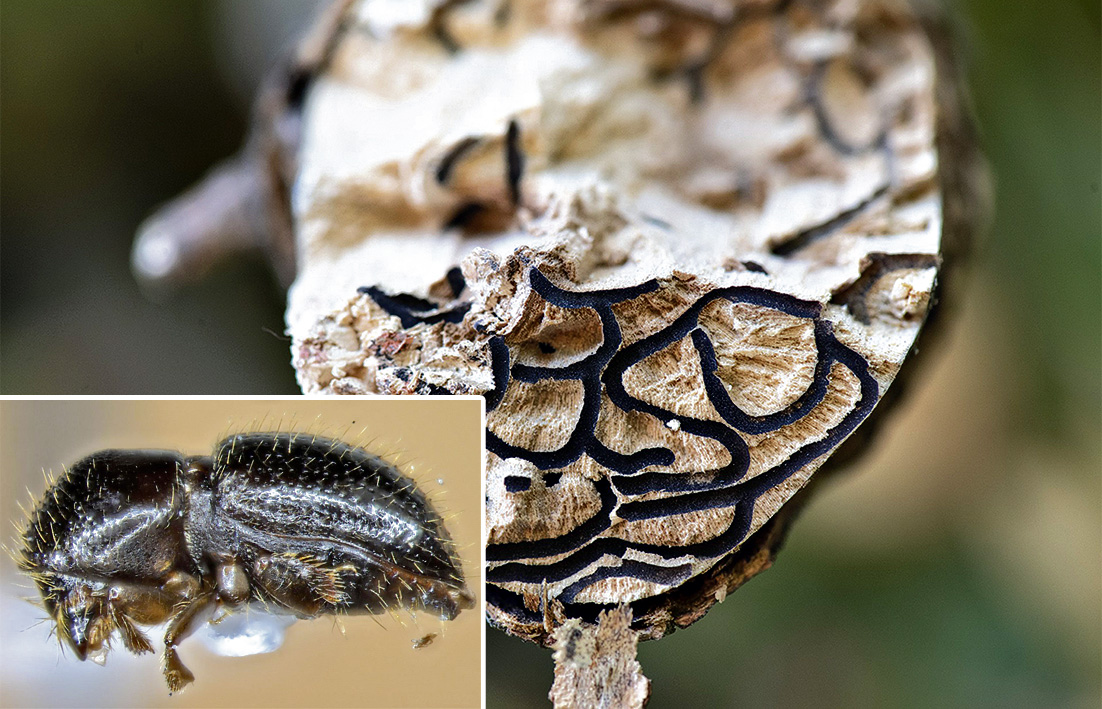
THE WA Local Government Association (WALGA) has commended the state government’s $3.3 million investment through round two of the WA Tree Recovery Program to help local governments replace canopy lost to the polyphagous shot-hole borer (PSHB) and establish resilient new urban tree canopy.
The second round of the program will assist 26 local governments in the PSHB Quarantine Area (QA) to plant more than 10,000 trees between 2026 and 2028.
Round one provided nearly $1m to 20 local governments in May 2025, supporting the planting of more than 2700 trees.
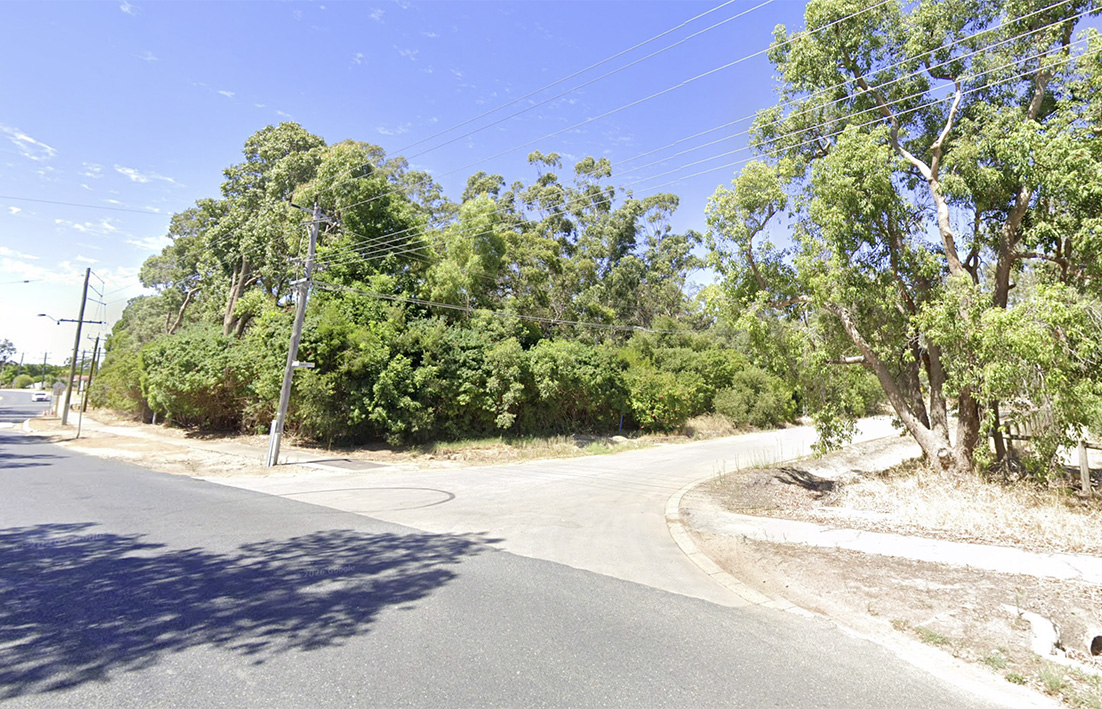
Plantings will be targeted at streetscapes and public spaces most in need of shade and cooling, including high-density suburbs, transport corridors, playgrounds and public transport hubs.
A strong focus on WA native species will support biodiversity, with some projects also contributing to ecological corridors and wetland restoration.
Several projects align with WALGA’s climate ready street tree trial, helping identify species suited to future climate conditions and supporting both local governments and other land managers to create resilient urban forests.
WALGA President Mark Irwin said the funding was another important step towards increasing and building resilient tree canopy.
“WALGA acknowledges the funding from the state government which will assist local governments to replace canopy lost to the polyphagous shot-hole borer and establish new tree canopy in public spaces,” he said.
“Local governments are playing a key role, already undertaking surveillance, tree management and community education, and are collectively committing more than $2m annually to PSHB management.
“With the long-term management phase of PSHB commencing on January 1, 2027, WALGA will continue to work with the state government and advocate for sustainable funding arrangements to support local governments in managing and preventing the spread.”
WALGA’s 2026-27 state Budget submission identified $45m over four years was required for local governments, and $7m over three years was required for residents in the quarantine area to effectively manage PSHB.
For more information visit WA Tree Recovery.