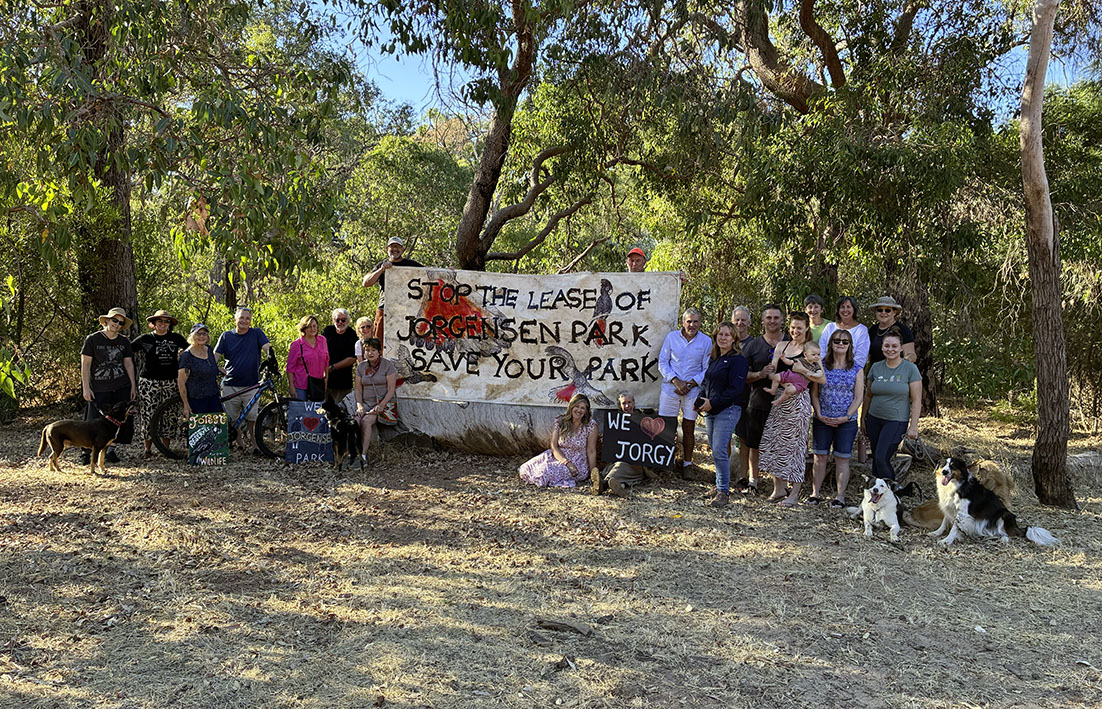
RESIDENTS opposing the proposed Wattle Grove South (WGS) urban development are scrutinising the City of Kalamunda’s treatment of developers.
WGS resident Charles Dornan said three separate engagement processes conducted over several years showed consistent community opposition to urban rezoning of WGS’ rural-residential area.
“I draw attention to three separate consultation outcomes concerning Wattle Grove South and to pose the question as to whether these outcomes will genuinely be reflected in subsequent planning decisions by the City of Kalamunda,” he said.
Mr Dornan said the concept plan consultation received 145 submissions opposing the proposal and only two submissions supporting it.
“That level of opposition could not have been clearer,” he said.
More recently, a 2025 Wattle Grove South insight survey also found strong community resistance to urban rezoning.
According to the survey results, 77.6 per cent of respondents opposed the proposal.
Freedom of information (FOI) material relating to the advertised Wattle Grove South structure plan revealed a similar outcome.
Mr Dornan said the documents showed 86 submissions opposed or did not support the structure plan, while 25 supported it and 16 were neutral or comment only.
After removing duplicate submissions, Mr Dornan said this equated to about 77.5 per cent opposition and 22.5 per cent support.
“When three separate engagement processes conducted years apart and in different formats produce almost identical results, the pattern is unmistakable,” he said.
“This is sustained and consistent community opposition.”
City of Kalamunda Mayor Margaret Thomas said the city was finalising their structure plan report for the next meeting.
“Submissions and responses will be published in their entirety, with only personal details of submitters being removed,” she said.
Mr Dornan said documents obtained under FOI also raised questions about how the consultation process had been handled.
He said the documents indicated the City of Kalamunda provided the developer with raw data from the insight survey while declining to publish those results to the broader community before advertising the structure plan.
The documents also suggested the structure plan was advertised before the Western Australian Planning Commission had formally required it under the Metropolitan Region Scheme amendment process and before the Minister for the Environment had determined environmental considerations.
Mr Dornan said several external government agencies had identified environmental and infrastructure concerns.
Wattle Grove resident Beverley Dornan said the correspondence suggested a close relationship between the developer and the city’s planning administration.
Echo News is not suggesting the relationship between the City of Kalamunda and the developers is illegal.
“One of the extraordinary things we saw when we received the FOI results was how close the relationship appeared between the developer and the City of Kalamunda planning team,” Mrs Dornan said.
“The developer provided a draft letter for the city to send to a public sector agency indicating support for Wattle Grove South rezoning before councillors had even ruled on the structure plan.”
Mrs Dornan said residents had also raised concerns about the timing of the structure plan consultation.
“At the time the structure plan was advertised it was still under consideration by the Environmental Protection Authority and the Western Australian Planning Commission had not authorised the advertising,” she said.
Residents have opposed urbanisation of the area for environmental as well as planning reasons.
Mrs Dornan said Wattle Grove South formed part of an environmentally significant landscape connected to the Brixton Street wetlands.
“The hydroplane that feeds the Greater Brixton Street wetlands runs underneath the proposed development area,” she said.
“That water maintains a very fragile wetland ecosystem that supports significant biodiversity.”
She said residents also feared rezoning would remove environmental safeguards that currently apply to rural land.
“Rural zoning means the Environmental Protection Act applies to clearing native vegetation,” she said.
“If land is rezoned for urban development, that protection no longer applies and developers can clear vegetation without having to seek that same level of approval.”
Mrs Dornan said the area supported black cockatoos, bandicoots and other threatened species as well as extensive tree canopy.
“Most residents want to retain the rural zoning because it is such an environmentally sensitive area,” she said.
“There is nowhere else quite like it.”
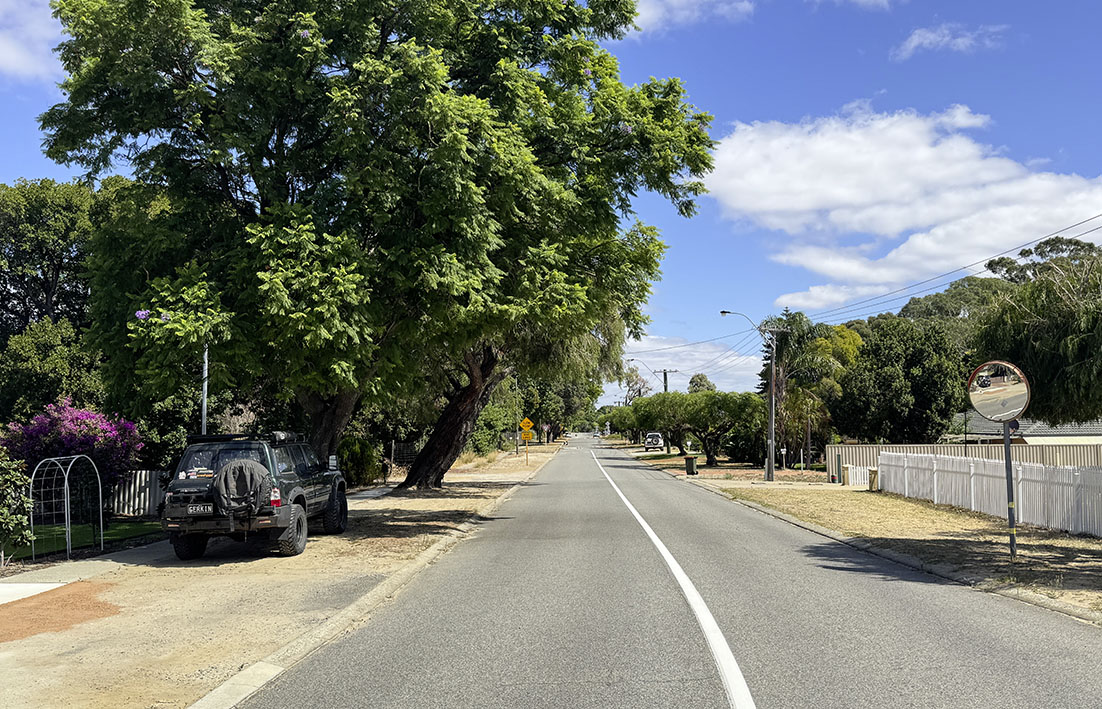
Mr Dornan said Wattle Grove South is an established rural-residential area whose residents deliberately chose that lifestyle.
“From 145 objections to the Urban Concept Plan, to 77 per cent opposition in the Insight Survey, to 77.5 per cent opposition in structure plan submissions, the message has been consistent,” he said.
“The WGS community wishes to remain rural and does not support wall-to-wall housing in the environmentally sensitive foothills.”
Mrs Dornan said residents had been raising concerns about the proposal for several years.
“We feel like we have been in a David and Goliath battle,” she said.