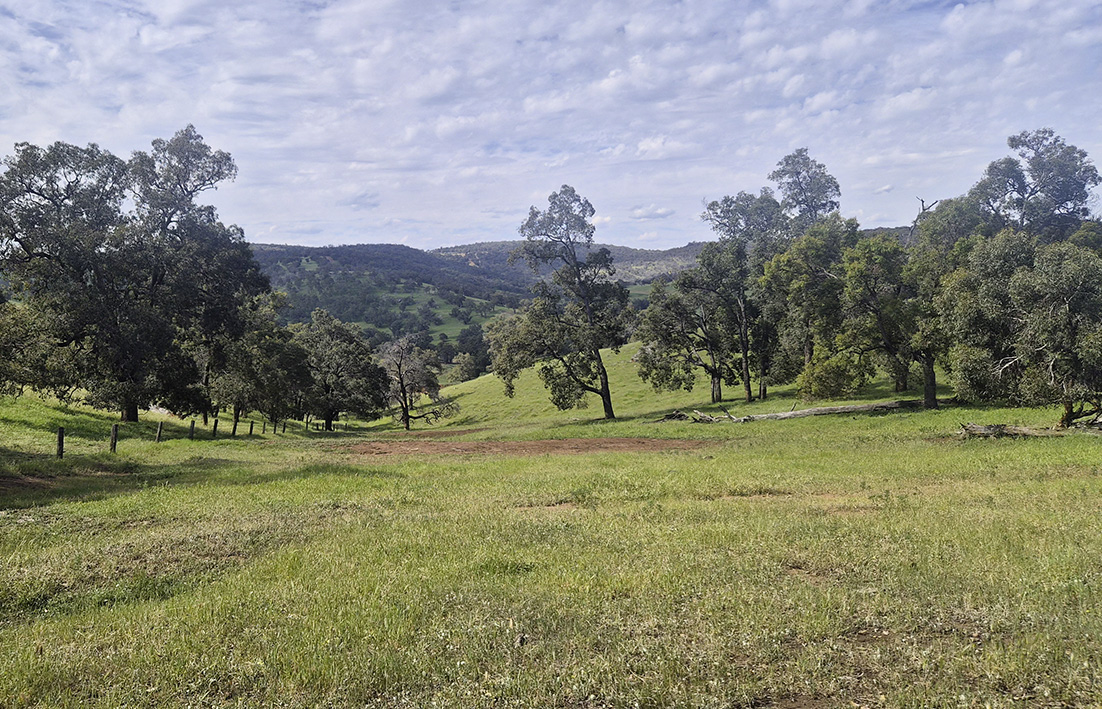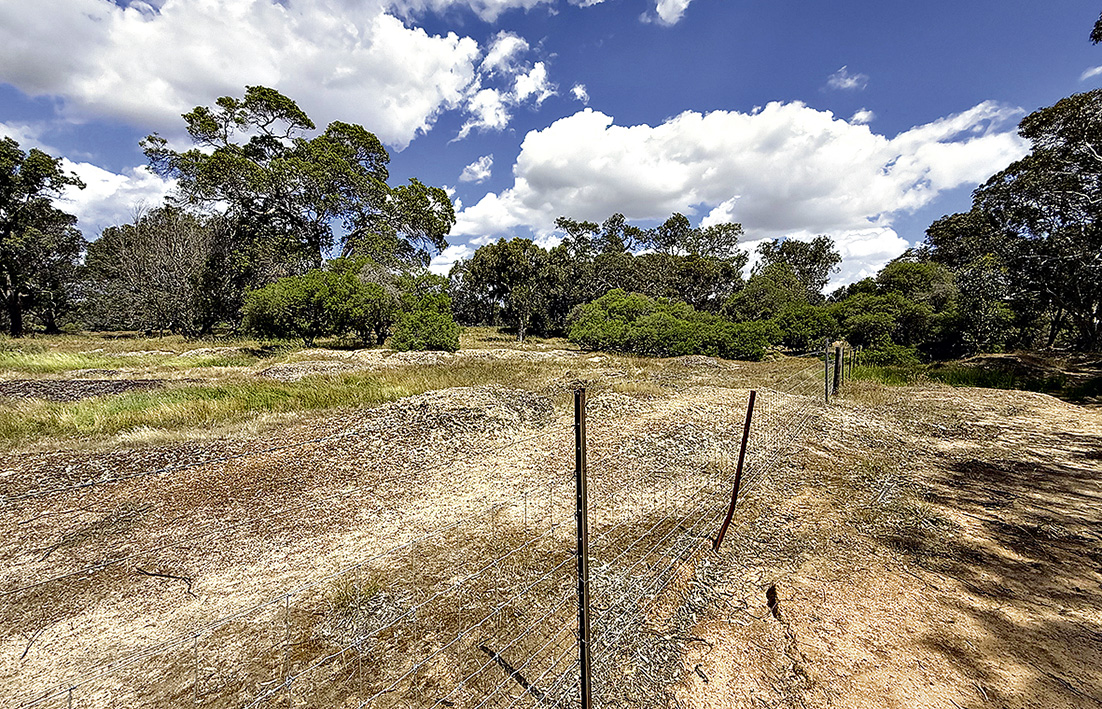
ECHO News this week visited several sites facing development problems to investigate the reality of flooding and drainage issues in the area.
On a 32-degree day, the trees offering cool and shade just across from Dreng Park in Brabham were nestled in an area planned to be dammed as part of Brabham stage two’s development plans.
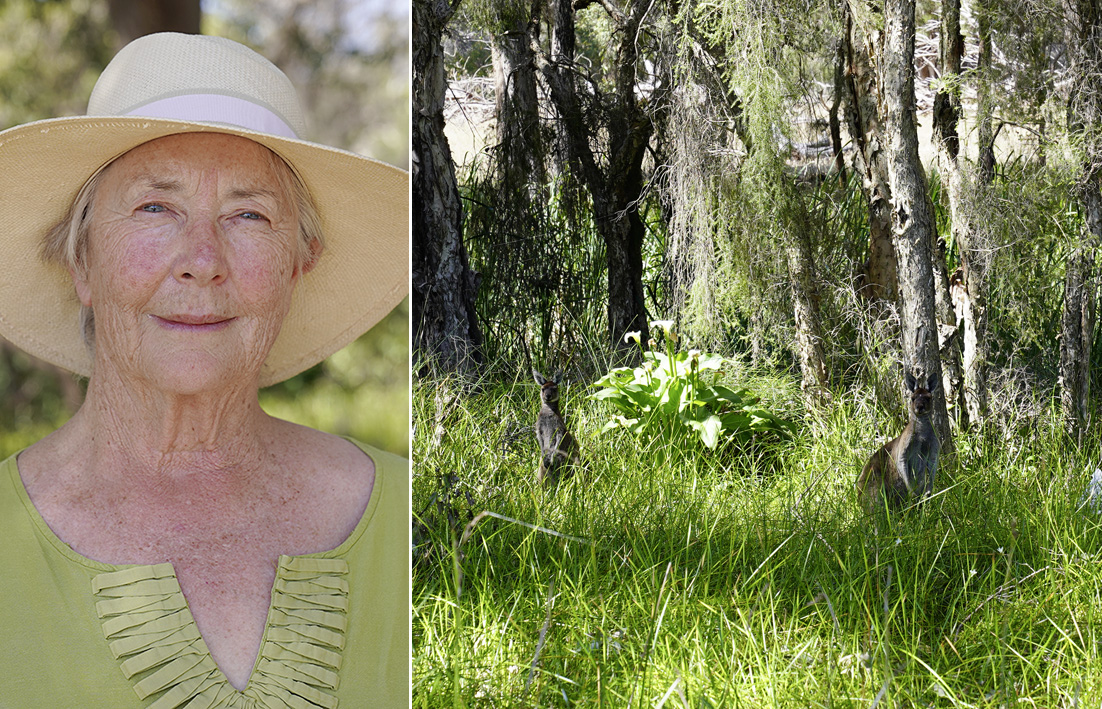
Three kangaroos rested under the shade of the tree canopy and stirred from behind bulrushes before returning to each other’s languid company.
“These are what are known as ephemeral wetlands,” Swan Communities Environmental Alliance (SCEA) vice chair and former Swan councillor Jan Zeck said.
“What that means is they are wetlands in the winter and they dry out in the summer – they are not wetlands all year round.
“The ecology in the area has adapted to high groundwater conditions in the winter and that’s the cycle they’ve grown to live by.”
Ms Zeck said development plans to dam the area and disrupt the wet and dry cycle would mean much of the native vegetation would not survive.
“What (the development plan aims) to do is put a weir further downstream, a weir wall, and then this will fill up with water,” she said.
“That puts extreme stress on the vegetation and because it’s not getting oxygen around the roots during the summer period, it will eventually die.
“The sad thing is where would these kangaroos and quendas and other wildlife in this area go once this is gone?”
Swan Valley flooding and drainage issues continue reported piecemeal developments meant different developers oversaw drainage plans, leading to a lack of unified vision in how water was managed in the area.
Ms Zeck said in the September report that a drainage master plan, which was common and required practise in overseas developments, should be implemented in the Swan Valley as well.
Behind Henley Brook Primary School was a moat sandwiched between the campus and tradespeople constructing new structures in the area.
Under the sunlight of the October afternoon, ducklings swam beside their mother in the stagnant body of water that had inundated the back area of the school since August 9.
“The better urban water management (BUWM) document is the planning instrument that governs all drainage management in urban areas in WA,” Ms Zeck said.
“It is endorsed by the Western Australian Planning Commission (WAPC), Department of Planning, Lands and Heritage, Department of Water and Environmental Regulation (DWER) and the Western Australian Local Government Association.”
The BUWM document, published in 2008, said health risks from mosquitoes could be reduced by ensuring designs for stormwater retention areas allowed the water to disappear in a time period not exceeding 96 hours.
“Permanent water bodies are discouraged, but where accepted by the Department of Water (now DWER), must be designed to maximise predation of mosquito larvae by native fauna to the satisfaction of the local government on advice of the Departments of Water and Health,” the document stated.
Ms Zeck said part of the problem was the reliance on infiltration as the method for managing storm water.
“There is a policy within DWER that they should use infiltration to manage storm water,” she said.
“At this stage, all of the drainage strategies that are used within the urban area are based on infiltration.
“Good on the coast where you’ve got deep sand, but because of the clay layers that are underneath the soil in the Swan Valley, it can only hold so much water.
“Additionally, the existing water ways that provided drainage are being reduced by development.
“To be honest, I don’t know what the solution is and that’s for the hydrologists and the engineers to work out.
“Unmanaged flooding issues will ultimately be a burden the ratepayers will have to shoulder, because it causes significant damage to infrastructure.
“It’s been well documented that if you have waterlogged ground, you end up with roads breaking up, steel in concrete slabs used in construction could rust and be ruined, and power lines can corrode.
“The City of Swan will have limited decision-making power on this matter.
“Whatever happens has to have approval from the WAPC.”