WILDLIFE hospitals in Perth’s eastern suburbs and surrounding areas have confirmed an alarming increase in admissions of birds, suffering from an unidentified neurological paralysis syndrome in recent weeks.
As previously reported in Wildlife centres record spike in bird paralysis disease magpies were the main species affected by black-and-white bird (BWB) disease.
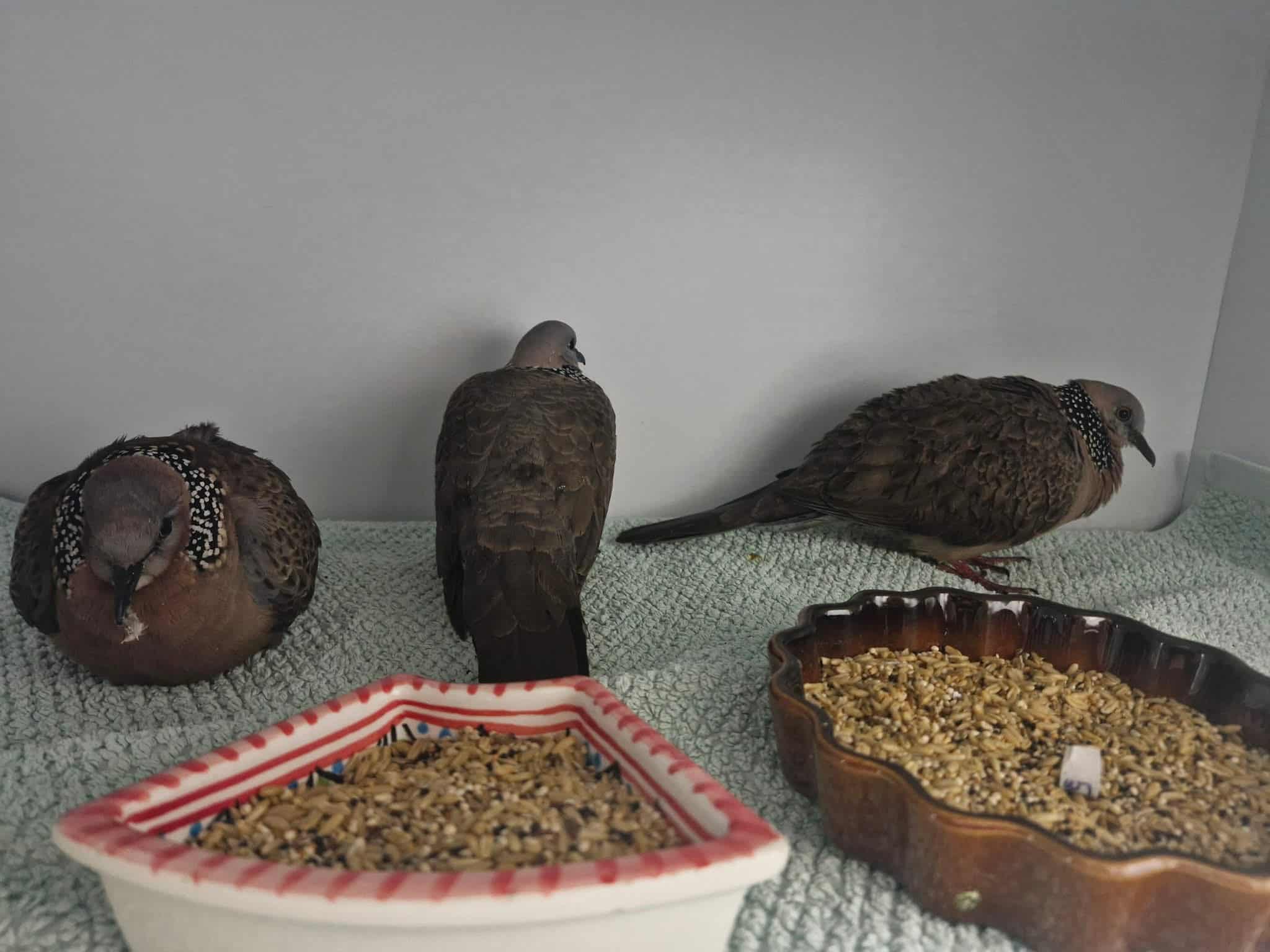
While magpies remain the primary species affected, further investigation has confirmed that a similar neurological disorder is now impacting a broader suite of native species as well as doves.
Perth Wildlife Hospital general manager, Yasmine Hunter, said staff had seen hundreds of cases at their hospital in recent months, with more than 40 cases referred in the past five weeks.
“At this point we are still not sure what the cause of the paralysis is or where it is coming from,” she said.
Ms Hunter reported that patients have been coming in from areas across the east metro including Malaga, Ellenbrook, and Kalamunda.
“Tracking locations of where the birds are found hasn’t been fruitful, we’ve noticed they’ve been coming from all different areas with no obvious trend in location,” she said.
While researchers believe the cause could potentially be a toxin, Ms Hunter does not believe that to be the case.
“There is no evidence to support the idea of a toxin causing this paralysis, and at this point we just aren’t sure what the cause could be.”
She said that if the number of cases continues to increase a huge strain could be put on local wildlife hospitals, who are no closer to solving the mysterious spread.
“It’s been a huge drain on our resources unfortunately,” she said.
“Setting up a quarantine, treating them in intensive care, a number of supportive therapies – we just aren’t able to keep up.”
Perth Wildlife Hospital and other Perth organisations are working with researchers from Murdoch University and the University of Western Australia to conduct tests to find a diagnosis.
“We are continually sending off cases for testing but so far all notable diseases have been ruled out,” Ms Hunter said.
“With magpie paralysis being a recent trend, it’s concerning that we’re now seeing clinical signs in doves and other wild birds.
“The recovery of the birds is just as strange, some die as a result while others mysteriously recover.
“At the moment, we’re prioritising supportive therapies: keeping them warm and safe, feeding them food and water, but... it doesn’t solve the root problem.”
A DPIRD spokesperson has said the department is aware of the outbreak and are currently looking into it.
“The Department of Primary Industries and Regional Development (DPIRD) has received reports from a client in the City of Swan,” they said.
“(We) are testing samples for reportable disease, and initial results are expected this week.”