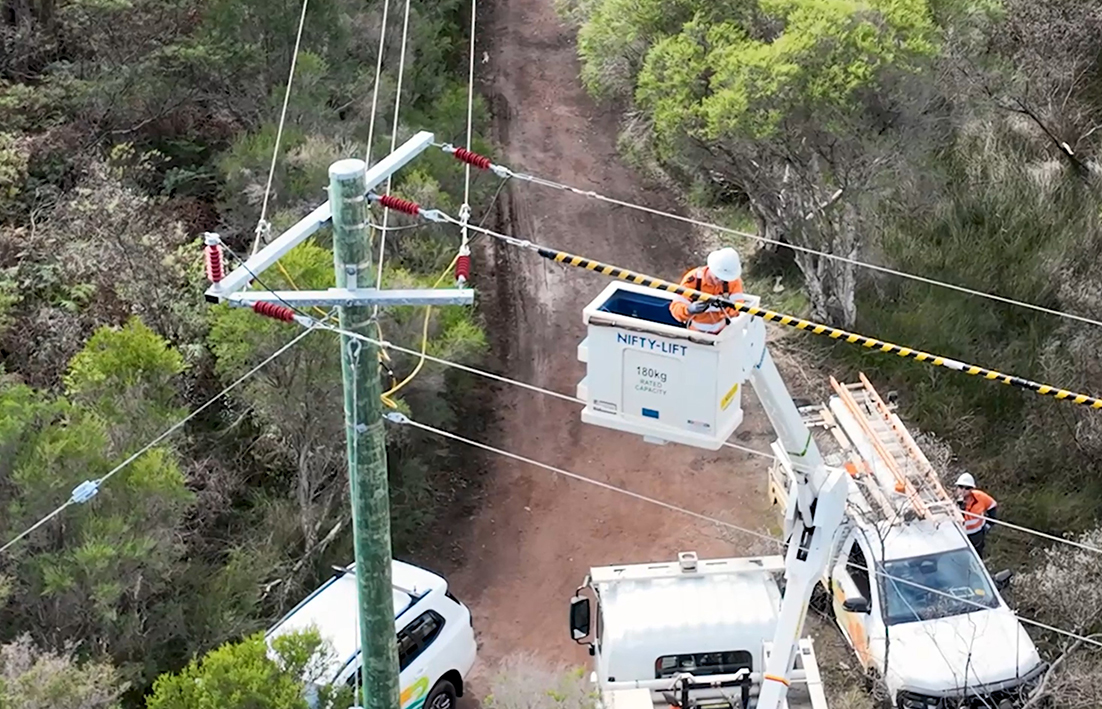
WESTERN Power has installed 53 protection devices through their fauna protection program including possum guards, bird covers and cable guards throughout the cities of Swan and Kalamunda, shires of Mundaring and Northam and Town of Bassendean.
There have been 24 devices installed in the Shire of Mundaring, 16 in Swan, 10 in Kalamunda, two in Bassendean and one in Northam.
While there are no fauna protection devices currently installed in the shires of Gingin and York through the program, a Western Power spokesperson said the utility was continually monitoring the network for areas where protection devices may be beneficial, particularly in locations where animals and birds have been known to come in to contact with assets.
The fauna protection program aims to reduce the risk of fauna contact incidents with power infrastructure, safeguarding wildlife and helping to ensure safe and reliable power supply for the community.
Western Power executive manager Jo Christie said in the 2024-25 financial year the utility installed fauna protection treatments at 50 locations across the network to mitigate risk of inadvertent contact.
“South West WA has a diverse range of conservation-significant fauna, including the endangered Western Ringtail Possum and three species of black cockatoo,” Ms Christie said.
“From time to time these animals are known to use the overhead power network to perch or to move from one habitat to another which sometimes leads to fatal contact for the animal and subsequent network damage and power outages.
“To help protect our native wildlife and reduce unplanned outages, we’ve installed possum guards on 98 poles, 166 bird covers on crossarms, 64 bird diverters on conductors and 376 cable guards on infrastructure through the program.
“We’ve also considered fauna protection in the design and specifications of new assets. As an example, our pole top switches now have a larger gap between the live and earth components creating increased space for fauna to move around, reducing risk of contact.”
These measures complement other conservation initiatives Western Power has implemented including supporting the installation of nesting boxes on infrastructure, installing Osprey nesting platforms in Lancelin and Geraldton, conserving potential black cockatoo breeding trees and donating materials to Kaarakin Black Cockatoo Conservation Centre.
“We have installed around 30 nesting boxes of various sizes within the last two years around Western Power sites to provide additional habitat for native fauna,” Ms Christie said.
“The nest boxes are part of a monitored program in collaboration with The Re-Cyc-Ology Project and has shown great success with an array of fauna using them including Carnaby cockatoos, Australian shelducks, Australian Ringneck parrots, Brush-tailed phascogales and large brushtail possums.
Western Power have implemented several other important measures to reduce animal contact with the network including vegetation management around powerlines and integrating fauna conservation into design of new assets.
“Management of the vegetation around powerlines is a shared responsibility between property owners, local governments and Western Power,” Ms Christie said.
“Ensuring proper clearance requirements are maintained is critical in reducing fauna access to powerlines from over-hanging vegetation.
“We’re continuously looking at ways to protect the natural environment, deliver sustainable outcomes and conserve WA’s unique biodiversity through appropriate planning and design of the network.
“Having a sustainable approach to fauna protection is integral, not only for conservation but also to ensure a reliable power supply for the community.”