STUDENTS will learn alongside horses in a new mental health training program starting in Gidgegannup next month.
Equine Assisted Therapy Australia (EATA), a Queensland-based registered training organisation, will launch its first WA cohort on February 17 offering counselling students a unique 19-month course that incorporates a nationally recognised counselling diploma with equine assisted therapy (EAT).
Qualified mental health practitioners, who are interested in the role of horses in the therapy space, can also study a specialised equine-assisted mental health course.
As part of their training, students study basic neuroscience, equine ethology, trauma theory and trauma-informed practice and different counselling modalities.
Students also participate in close to 300 hours of responsible and responsive equine interactions during workshops including, learning how horses communicate with their body language and the similarities between the human and horse’s nervous system.
All interactions with the horses take place on the ground, with no riding involved prioritising the horses’ natural behaviours, choice and wellbeing.
EATA director and founder Jane Faulkner established the RTO in 2016 on the Gold Coast after she was approached by people who wanted to work in the equine assisted therapy field.
Ms Faulkner said she identified a lack of professional standards in Australia’s unregulated equine assisted therapy sector and went down the path of becoming an RTO to offer nationally recognised and ACA-accredited training.
“We decided to bring EATA to WA because the demand is genuine, the need is strong, and we want to make sure local practitioners don’t have to travel interstate to access the learning and support they deserve,” she said.
Ms Faulkner said she hopes an EATA training program in WA will strengthen capability and confidence across the equine assisted therapy sector.
“It will give people practical tools they can use immediately to build a shared approach to best practice and create an ongoing network of support.
“Ultimately, it’s about better outcomes for individuals and families, and a stronger, more connected workforce across the state,” she said.
Equine assisted therapy has continued to grow in popularity as more people turn towards complementary and alternative medicines (CAM) for a wide range of mental health conditions - from high-functioning neurodiversity to complex post-traumatic stress disorder (PTSD).
Ms Faulkner said there were many reasons why horses work so well in therapy.
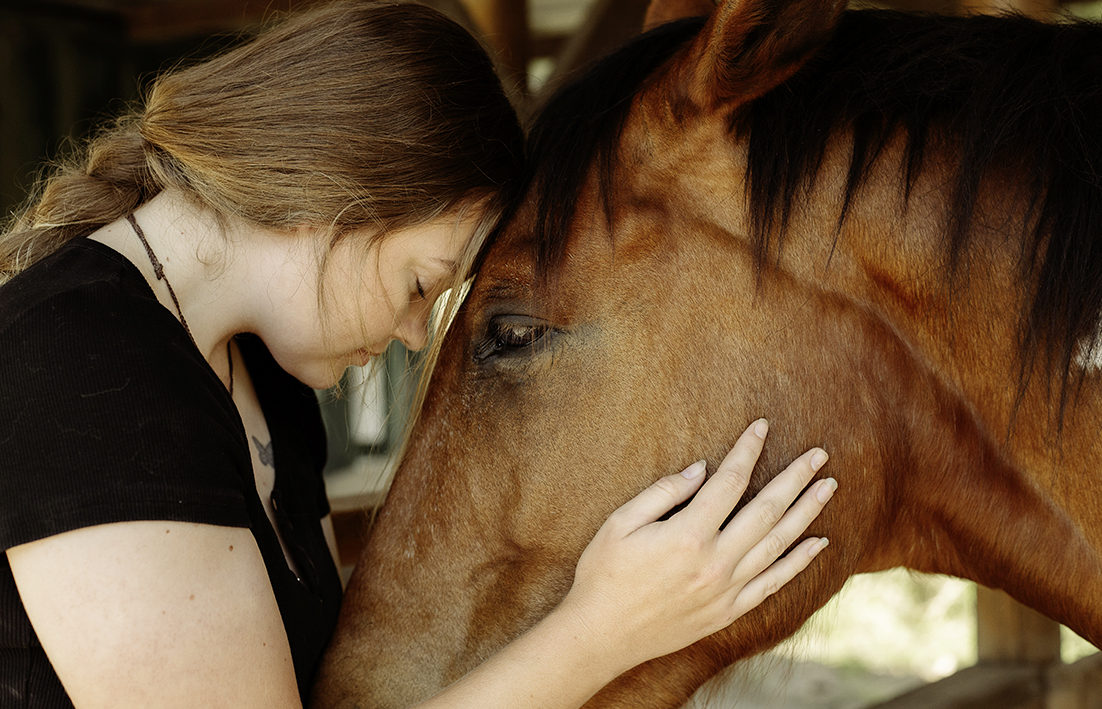
“Horses are curious, they respond to us in the moment, and for some people horses provide a safer way to be in a relationship than people do,” she said.
“They don’t need you to talk, they don’t need you to perform - they meet you exactly where you are.
“Horses are incredibly sensitive to our body language, breathing and emotional energy, and they give immediate feedback without judgement.
“For people who have experienced anxiety, trauma or difficulty trusting others, it can make connection feel possible again.
“It creates space to practise calm communication, boundaries and self-regulation in a way that feels natural and supportive.
“All our students complete supervised hands-on practice with horses and clients, which includes the facilitation of individual and group equine-assisted therapy sessions.”
Final applications close on February 14 and for more information about EATA, please visit www.equineassistedtherapy australia.com.au