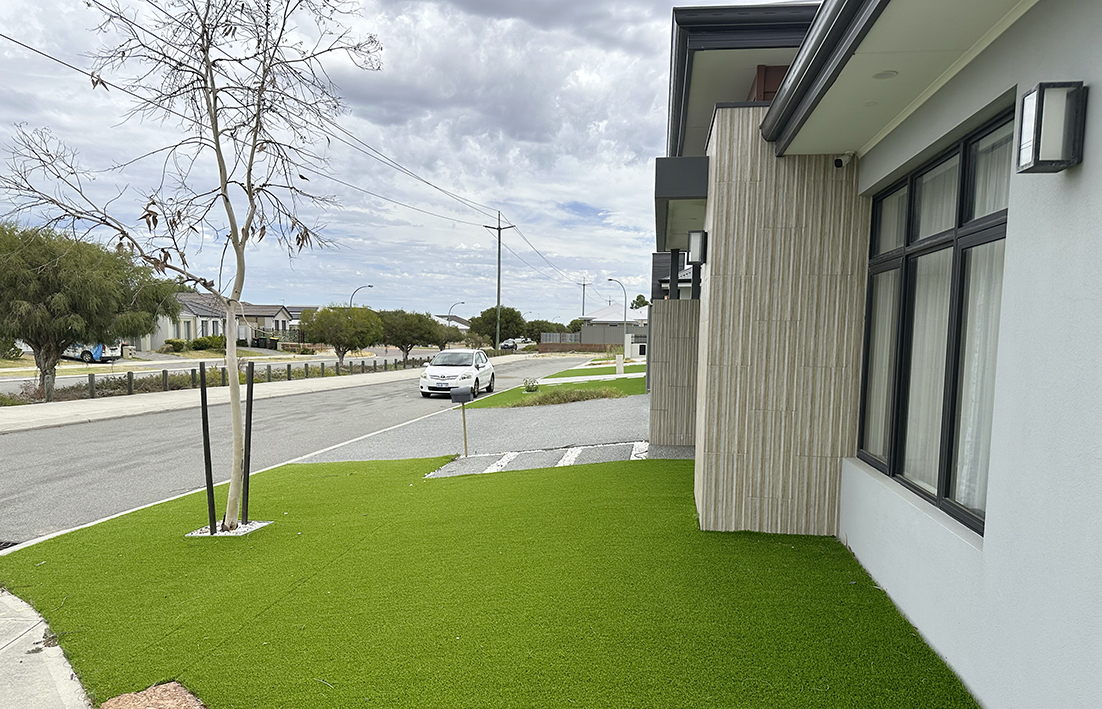
A MOTION calling for the City of Swan to investigate a potential ban on synthetic turf was passed at a recent annual electors meeting, sparking a debate between environmental advocates and local industry experts.
The vote follows growing concerns from residents regarding the accelerated urban heat island effect and tree canopy loss, as previously reported in Swan residents call for synthetic turf ban.
During the February 2 meeting, Dayton resident Catherine Dixon successfully introduced two motions aimed
at curbing the use of artificial lawns across the municipality.
The first motion called for the City of Swan to consider amending its verge guidelines to officially remove synthetic lawn from the list of approved verge treatments.
While the second motion sought a broader investigation into how the city’s local planning scheme could be amended to prohibit the use of synthetic turf on all private properties, including residential and commercial land, with an exception made for sporting grounds.
However, industry voices are urging the council to do further studies into product grades before moving toward a total prohibition.
Artificial Outdoor Solutions owner Bruce Russel says council should focus on regulating low-quality imports which he claims are mainly responsible for the environmental and amenity issues cited by advocates.
“The problem is, most people go for the cheapest alternative, which are cheap imported products that lack the technology to manage heat, odour, weeds, and colour,” Mr Russel said.
“High quality, well-laid artificial grass made in Australia don’t do any of those things.
“There is what we refer to as cool technology grasses, which use a special plastic that doesn’t allow it to heat up, the same as what natural grass does.
“It’s really a matter of you get what you paid for, whether you want high-quality or save some money and get low-quality.”
Instead of a blanket ban on all synthetic products, Mr Russel is calling on the city to establish a regulated list of approved materials and installers.
“If companies want to be able to lay artificial grass in a council area, then they should have the ability to put their product forward to the council and ask for their product to be approved,” he said.
“Then the council can look at that product and say, ‘Yes this is a suitable product’, if it meets Australian standards, and it’s made in Australia.”
Mr Russel believes that there is a middle ground in managing environmental impacts while giving residents the option to install low maintenance grass.
“If you want artificial grass, the council could mandate that you must leave dedicated space for a tree,” he said.
“That adds to the tree canopy where there might have been none, while the shade from the tree naturally cools the ground below.”
While residents continue to push for a total prohibition, Mr Russel maintains that a system of approval for synthetic turf products with strict requirements for implementation is a more viable path forward for the city.
The council is expected to consider the motions at an upcoming ordinary council meeting later this year.