A CONSERVATION Council of WA (CCWA) spokesperson says more than 158ha of eastern corridor wildlife habitat is at risk of being cleared across Swan, the Perth Hills and the Avon Valley.
According to data from the CCWA, the main areas under assessment included 143ha of land in Swan, 2.44ha in Kalamunda and 24ha in Mundaring.
Chittering, Toodyay and Goomalling also had 0.086ha, 0.5ha and 4.5ha of land being assessed for developments.
A CCWA spokesperson said even relatively small areas of clearing can contribute to the fragmentation and loss of habitat corridors.
“Habitat fragmentation occurs when large expanses of habitat are broken into smaller, isolated patches,” they said.
“Maintaining ecological corridors that connect these larger patches of habitat is crucial for protecting threatened species.
“When development puts these corridors at risk, the resulting fragmentation can have a devastating impact on the native plants and wildlife that depend on them.”
The spokesperson said the Wheatbelt had less than 30 per cent remnant vegetation cover, which made remaining eucalyptus woodlands particularly significant.
“Eucalypt woodlands of the Western Wheatbelt are recognised as a critically endangered threatened ecological community under the Environment Protection and Biodiversity Conservation (EPBC) Act,” they said.
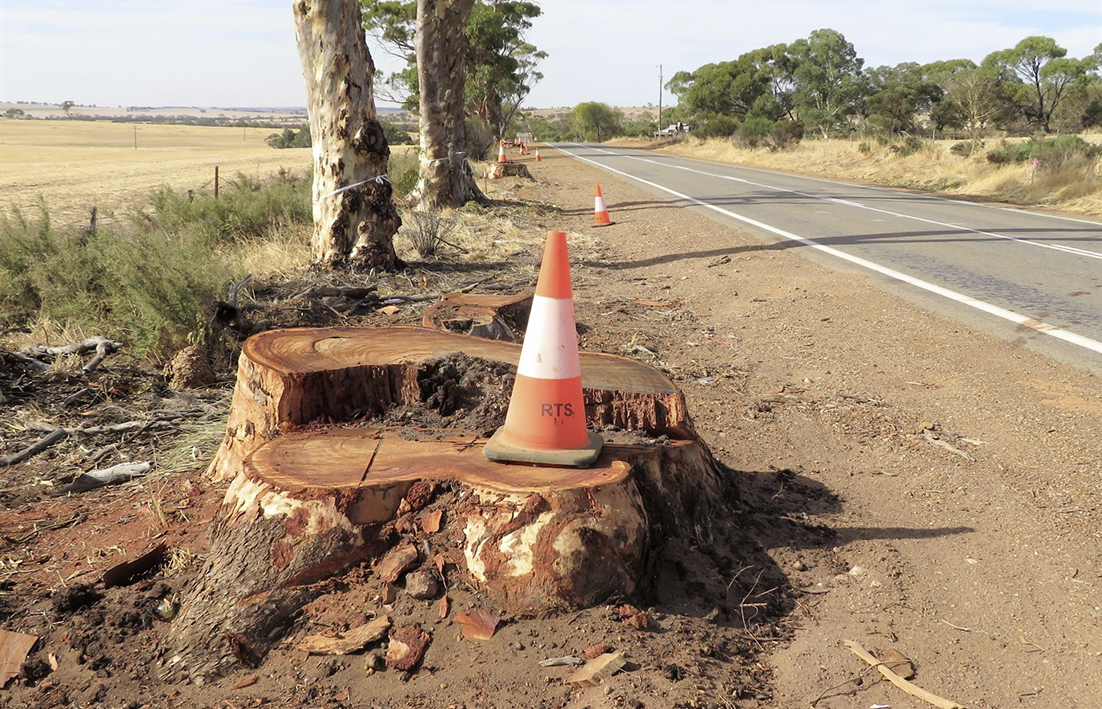
“This critical habitat is increasingly being put at risk by development and infrastructure projects, including the widening of the Northam–Pithara Road and the Western Power transmission line, which was approved to clear 100ha in March 2026.
“When individual projects are assessed without adequate consideration of their cumulative impact or the broader landscape in which they occur, the scale of their impact can be misleading.
“What may seem like a relatively small area in isolation can be an important link between larger areas of remnant vegetation.”
The spokesperson said National Threatened Species Day at the beginning of September was a reminder of the impacts of habitat clearing on wildlife wellbeing.
“Extinctions are not the result of a lack of warning,” they said.
“They are the consequence of decades of missed opportunities by all levels of government to act before it was too late.”