THE Kalamunda activity centre precinct structure plan, which aims to breathe new life into the town centre, has received final approval from the Western Australian Planning Commission (WAPC).
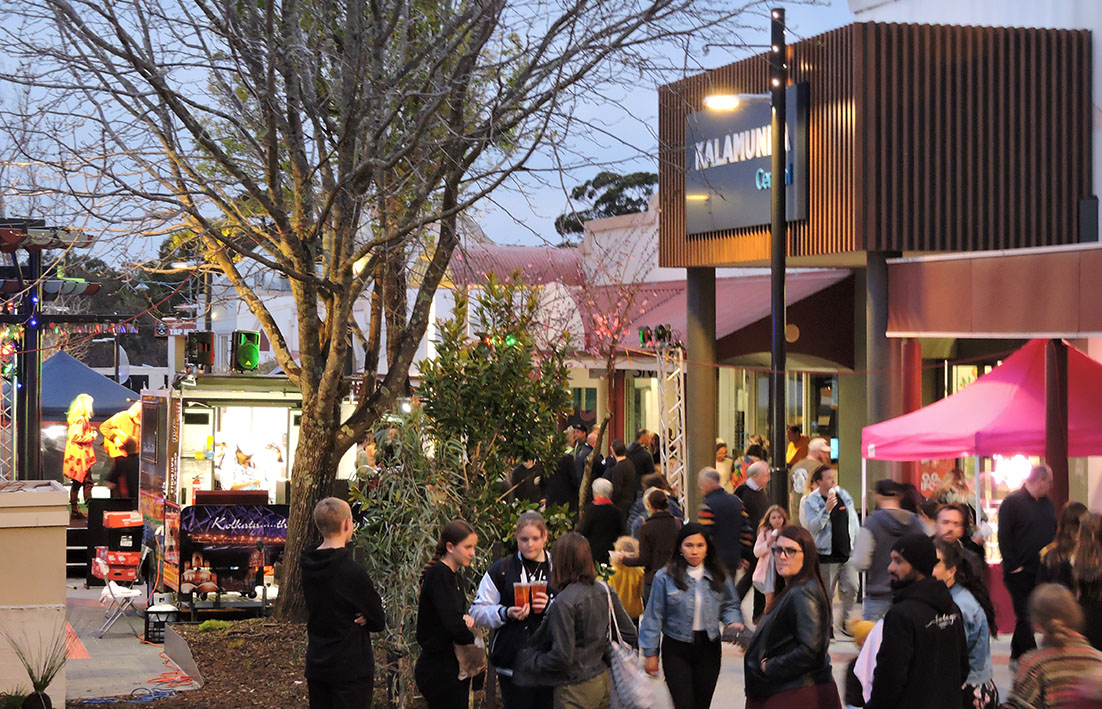
The City of Kalamunda announced that focus areas under the plan included activating Haynes Street, transforming central mall into a dining hub, expanding retail and residential opportunities, improving civic and cultural spaces, and enhancing parking and pedestrian accessibility.
Kalamunda Mayor Margaret Thomas said the plan was built on the essence of Kalamunda and combined its identity with a vision to boost community activity.
“This plan brings together everything our community values; our heritage, our environment and our local businesses and combines it with a clear plan for growth and improvement,” she said.
“We look forward to seeing the positive impact this plan will have on our town centre, making it a place where people want to live, work, shop, and spend their time.”
The Kalamunda activity centre precinct structure plan document includes an executive summary which said the plan would facilitate the development and redevelopment of Kalamunda’s town centre, looking to achieve a contemporary, attractive and functional centre for residents and visitors.
“The Kalamunda town centre contains some of the trademarks of a well-performing district centre but not all and lacks any real cohesion,” it said.
“The town centre is at a crossroad, whereby its future and function need an effective combination of vision and practical implementation to enable its ongoing relevance and commerciality whilst retaining key elements of its character and identity.”
The summary said the plan would require public and private investment and will rely on collaboration between the city, state government, local businesses and the community.
The plan also included a background on the community and stakeholder engagement methodology, explaining how feedback was collected to form the structure plan and meet the needs and vision of Kalamunda businesses and residents.
The consultation and planning process consisted of in-person coffee shop discussions, pop-up workshops, creating a mind map of community ideas, land use, built forms and public use, as well as online surveys that attracted 44 completed answers over six weeks.
The consultations were done in collaboration between the City of Kalamunda and interdisciplinary consulting firm Urbis including Jane Jacobs walks where community views were shared during a walk through the areas in question.
Through the mind mapping word cloud exercise, a vision statement was made reflecting the feedback collected in relation to how people envisioned the future activity centre to look.
The vision statement said Kalamunda was a place borne of community spirit with a strong connection to its heritage.
“The town centre serves as a gateway to the hills and as a hub connecting both locals and visitors alike,” it said.
“Its natural bushland setting and traditional village atmosphere are a platform to enhance Kalamunda’s unique offerings, activities and events and provides spaces for community interactions and neighbourhood conversations.”
The main consultation period took place throughout 2018, with the WAPC giving the plan its green light in 2025.
Some residents have taken to social media to question the currency of the plan given the seven-year gap between consultation and implementation.
Ms Thomas said the plan would be reviewed to make sure it was servicing community needs.
“The (structure plan) sets the vision for our town centre over the next 10 years, after which it will be reviewed to ensure it continues to reflect community needs and future vision,” she said.
Other residents have called attention once again to the vacant office building on Mead Street known as the pigeon hotel, calling for continued local government efforts to encourage sale and renewal of the property.
As reported in Kalamunda’s ‘pigeon hotel’ still abandoned (Echo News, August 23, 2024) that a year after Helena College students Izzy Eastman and Penny Blyth presented a petition to renew the building, it remained unchanged.
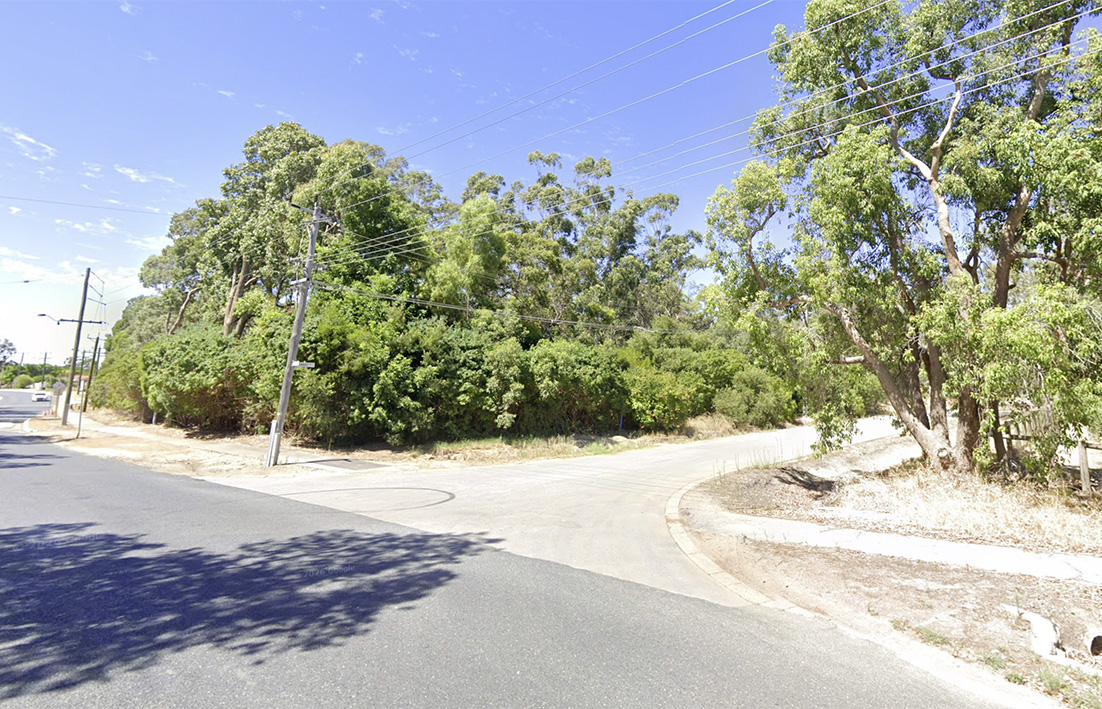
The newly approved precinct structure plan includes a dedicated on-road cycleway on Mead Street, where the office building is situated, and Canning Road to support commuter and recreational use and has highlighted the path past the building as a school connection.
“While formal approval has now been granted, implementation is already underway through key projects like the Central Mall Enhancement and Haynes Street Revival,” Ms Thomas said.
“Our next step is to keep building on this momentum – working together with local businesses, our passionate town team and the wider community to shape a town centre that feels welcoming, connected, and true to our community.”