CITIES of Swan, Kalamunda and Shire of Chittering’s ecological communities are among those listed as endangered by the Department of Biodiversity, Conservation and Attractions (DBCA).
The auditor general tabled a report in state Parliament last month reviewing how the DBCA managed the process of identifying and listing ecological communities at risk.
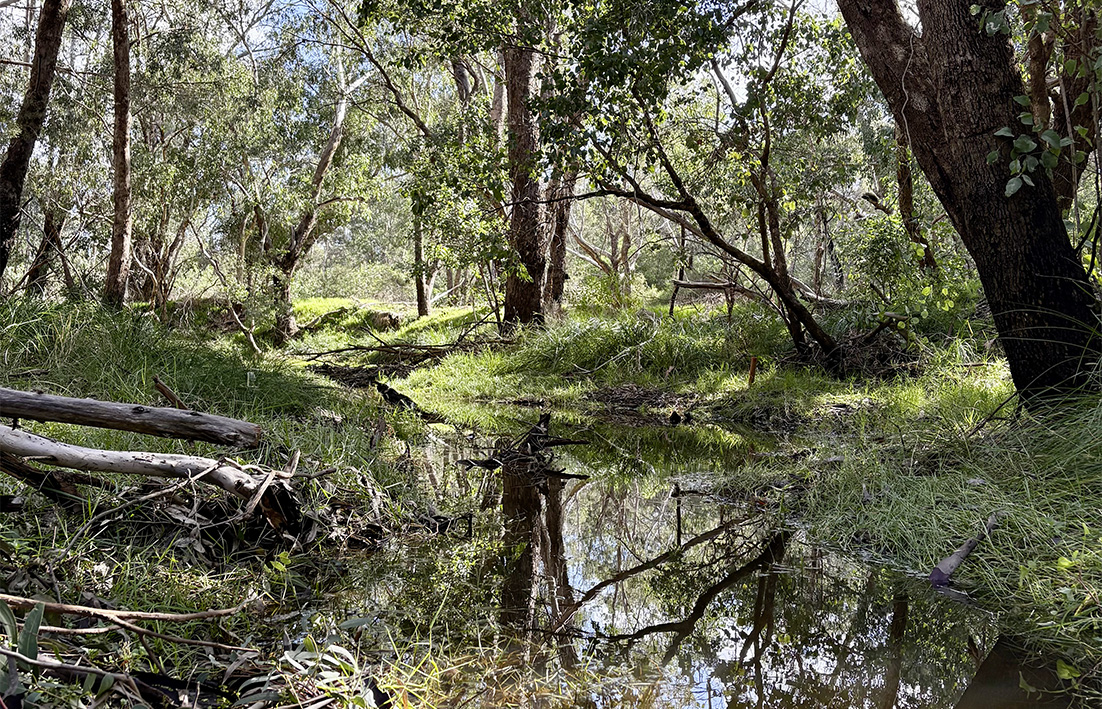
According to the DBCA, an ecological community is a group of lifeforms such as plants, animals or microorganisms that coexist in a particular habitat.
The audit found 390 ecological communities across the state have been flagged as rare or threatened but have not yet been formally listed and also noted once an ecological community was lost, it was unlikely to recover.
Without the listing, ecological communities do not receive the full legal protections available under the state’s conservation laws.
It also found the department does not have a formal strategy in place for how it manages threatened ecological communities and it was unclear if current activities aligned with long-term conservation goals.
Conservation Council of WA executive director Matt Roberts said the audit highlighted a lack of monitoring and a need for stronger action.
“WA has not published a state of the environment report since 2007 – the last biodiversity audit was in 2015,” he said.
“To prevent further extinctions, (state government) needs to fund and implement recovery plans for all threatened species and ecological communities, including the strongest possible protections for critical habitat.”
Mr Roberts called for a full review of the Biodiversity Conservation Act and to restore regular public reporting on the health of the state’s environment.
In Swan and Kalamunda, banksia and jarrah woodlands on the eastern Swan Coastal Plain were marked as critically endangered.
A woodland type containing marri and kingia was also listed as critically endangered in both local government areas.
Shrubland and woodland types found in both areas, also on the Swan Coastal Plain, were listed as critically endangered.
Additional communities in Kalamunda include southern wet shrublands, a type of corymbia and jarrah woodland on sandy clay soils, and shrublands found on dry clay flats – all listed as endangered or critically endangered.
The City of Swan also included other listed communities, such as forests and woodlands in deep seasonal wetlands, herb-rich claypan shrublands, and tumulus springs – wetland mounds considered critically endangered.
Parts of the Muchea limestone shrublands stretching across both Swan and Chittering are also listed as endangered.
“At its current pace, the (DBCA) would take over 100 years to list the other 390 priority ecological communities if they were all deemed suitable for listing,” Mr Roberts said.
“That is too late for many areas of ecological significance and the species which rely on them.”