AS a developer seeks to replace some north-eastern public open space with houses via an amendment to Dayton local structure plan No. 4 some residents are highlighting urban water management concerns in the area including around Citrus Avenue.
Swan Valley farmer and author Cheryl Rogers said the limited community comment allowed for the proposal had been the source of much confusion.
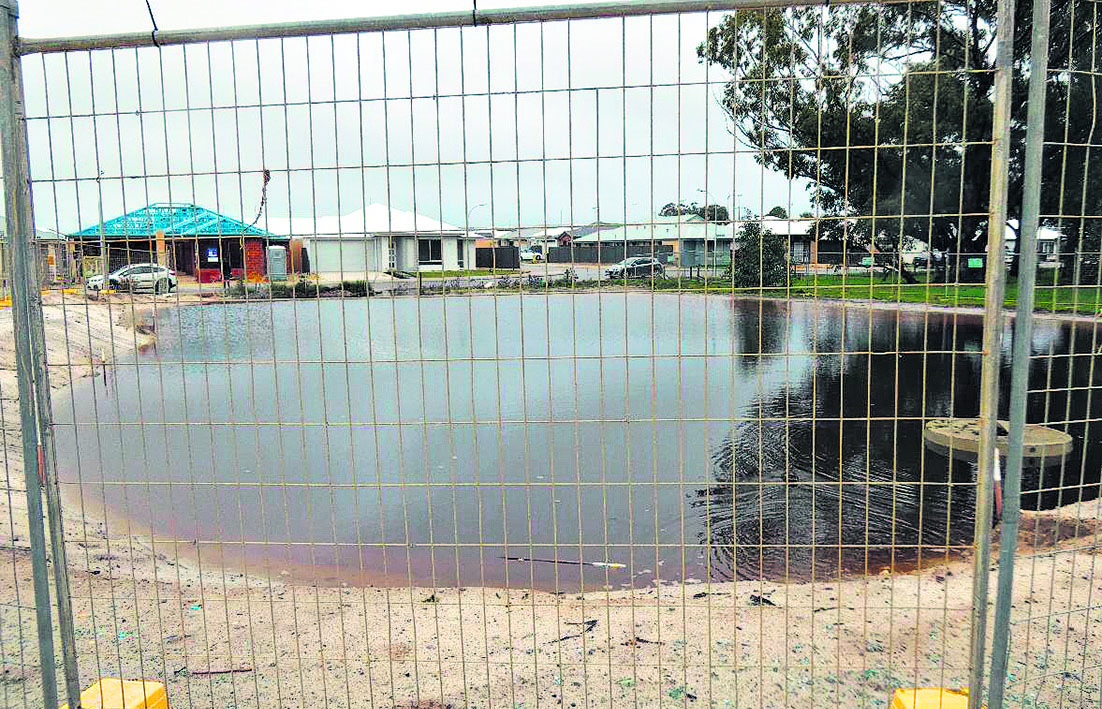
“The approved structure plan does not include drainage basins A (Citrus Avenue), B (Harrow Street bend), C and D (Malvern Street), yet we see they are already built and observe they are contributing to flooding on and around Citrus Avenue, on recently developed lots and on Swan Valley farmland to the east,’’ she said.
“This is unacceptable – one of the many problems would appear to be that the outlet from basin B is set too high, due probably to the proximity to the Dampier to Bunbury gas pipeline which outflow pipes must travel over, not under.
“The pipeline has been there for decades, well before plans for Dayton were drawn up.
“Now, we observe water backflowing into basin A and flooding Citrus Avenue, along much of its length.
“And we continue to measure rising groundwater on our Swan Valley tree farm that is down gradient, between the hard urban catchment and the Swan River.’’
Ms Rogers said they had now learnt the reviewed scope of the amendment was limited to lots south of Harrow and east of Blundell.
“The remaining area of Dayton stage 4, in the north east, is now excluded and is not open for public comment. In particular, there is to be no comment on drainage.
“This at a time when problems caused by rising groundwater as the urban rollout progresses along the western edge of the Swan Valley is at last gaining traction, in print and on social media, such is the public concern.
“This decision to limit the scope of public comment means the public does not have an opportunity to comment on that part of Dayton stage 4 is proving to be most problematic.
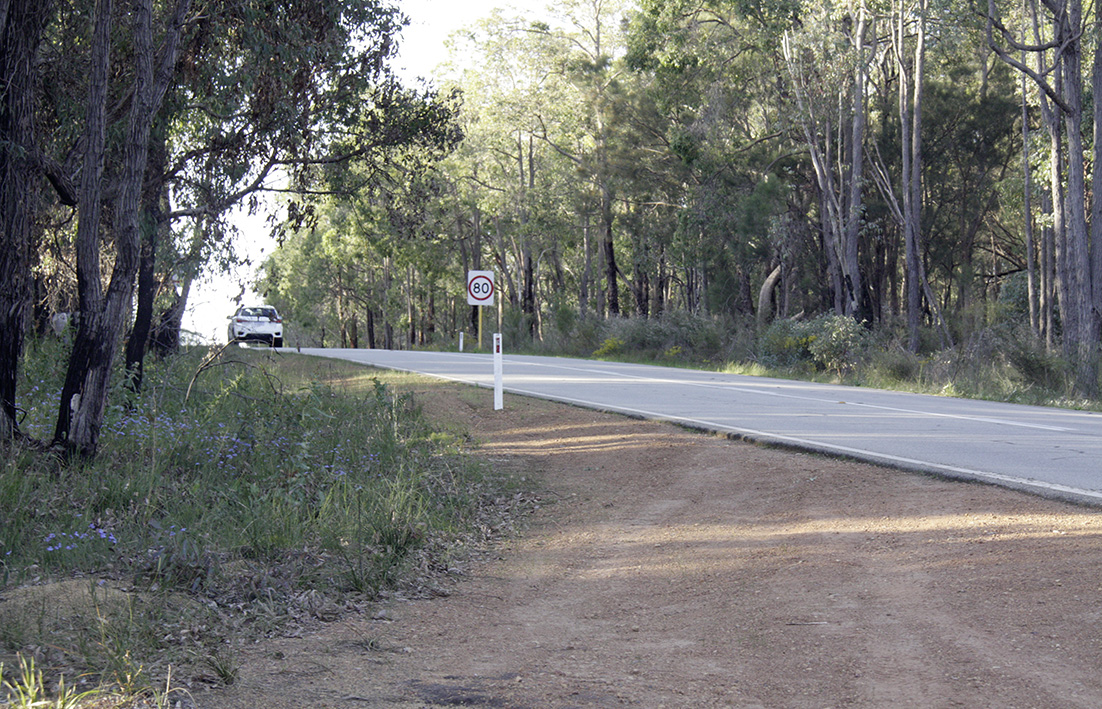
“Apart from the drainage, the traffic hazard on the blind Harrow Street bend in close proximity to two gas metering stations and the ATCO take-off line is now compounded by the installation of a dark Colorbond fence that obstructs the line of sight for motorists.’’
At the August council meeting Ms Rogers received responses from City of Swan staff about questions she had earlier submitted.
The city agreed their engineering staff had approved the drainage plan in August last year but said while planning staff do not approve engineering drawings they had advised the WAPC the drainage associated with the subdivision was acceptable.
Ms Rogers said the drainage plan for Dayton stage 4 as shown in Appendix 7, the addendum to the revised urban water management plan for the north east portion of the local structure plan does not match.
“For example, the low-level swale shown as connecting basin B with basins C and D, enabling water to cascade southwards as part of ‘the ultimate drainage solution’ does not exist.
“Instead, underground pipes were installed to deliver water from basin B to basin C.
“Nor is the slotted sub-soil drain that runs south along Malvern Street, shown south of basin D on the drainage plan.’’
She said the variations to the plan were not minor and asked why the approved urban water management plan did not represent what had been built.
The city said the variations were required to improve the drainage and the gas company had required the swale to be piped.
Finally Ms Rogers said the depth of water in drainage basins A, B and C at capacity, as in basin A at the time of writing, was 40cm, 1m and 80cm respectively.
Given the proximity of new housing and young families to these water bodies she asked what exclusion fencing was proposed and why it was not shown on the drainage plan. The city said basin signage would be installed depending on a water safety audit that would be undertaken as part of practical completion.
“Modification is occurring to one of the bubble up pits which will reduce the depth of the water,’’ the city said.