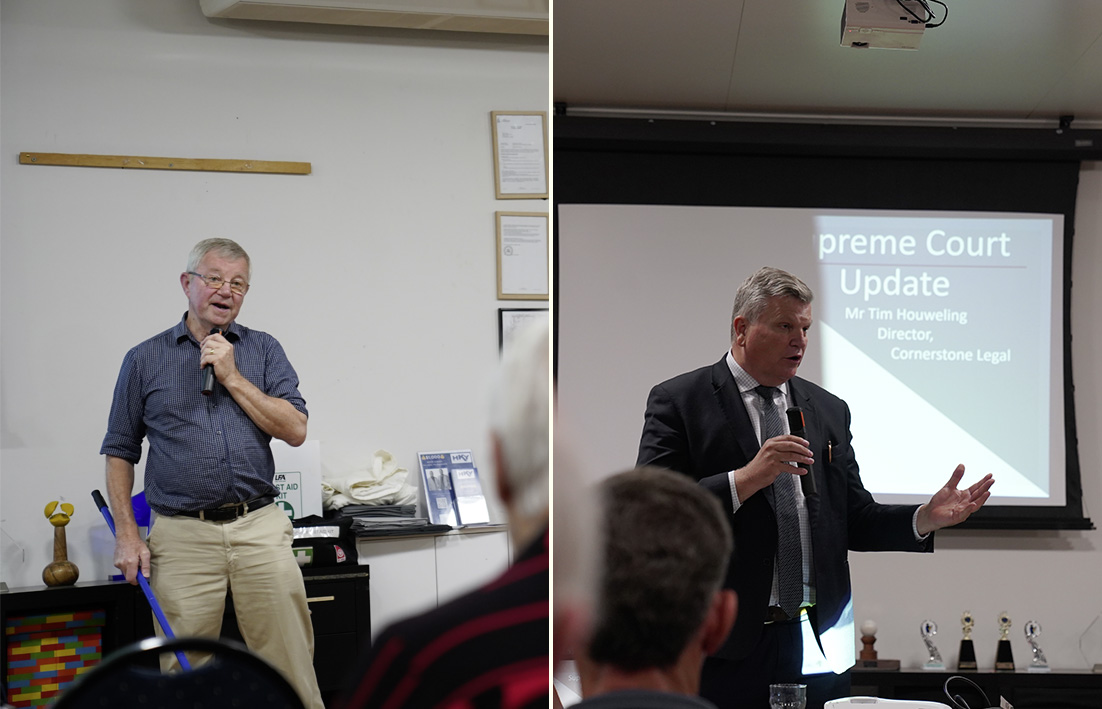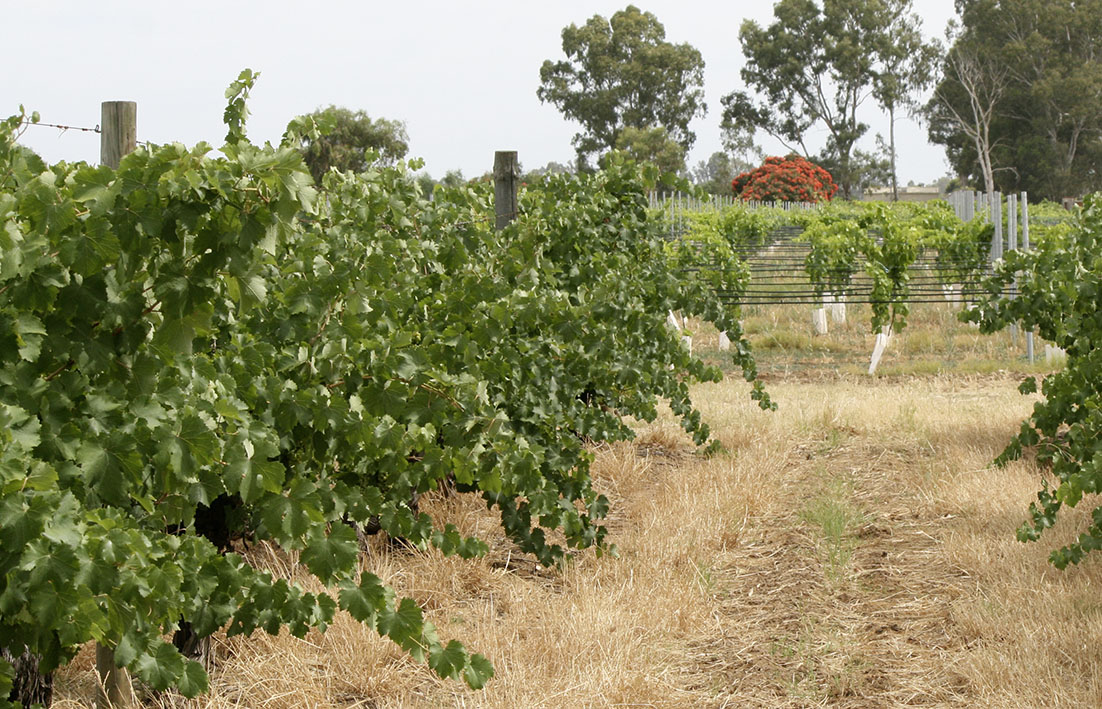
THE Swan Valley Ratepayers and Residents Association is holding a public meeting on Thursday, September 18 about rural rate changes proposed by the City of Swan due to concerns the proposal will lead to significant rate increases.
According to the City of Swan revenue and rating plan 2025-26 the city has 3997 properties out of about 70,000 which are rated based on the unimproved value (UV) valuation method for land used for rural purposes compared with the gross rental value (GRV) for land used for non-rural purposes.
The review said the city was aware of many examples across the district where neighbouring properties, both similar in size and land use characteristics, were rated by either the GRV or UV method and subject to significantly different annual rates charges.
“An individual assessment is required to determine each property’s predominant use,’’ the review said.
“Due to the number of properties to be assessed, the review process is staged over a five-year period based on the land sizes and starting with the review of UV properties under 2ha.”
Some Swan Valley ratepayers are concerned the average price rise for rates if they are forced to change from UV to GRV could be about $860 and Echo News asked the city for a response.
The City of Swan said it has not completed financial modelling for all UV properties and was unable to provide an estimate of either increase or decrease.
“Subject to the GRV determined by the Valuer General Office Landgate, some properties will result in a decrease and some in an increase in their rates levied if the valuation method is changed from UV to GRV,’’ a spokesman said.
The review said a notional GRV would be indicated in the letter sent to ratepayers and estimated applicable GRV rates amount would be provided.
“The city has met with representatives from Landgate who have provided notional values for about 400 properties that are less than 2ha in size,’’ the review said.
Following Department of Local Government, Sport and Cultural Industries guidelines the city said it would apply six principles when determining whether land was used predominantly for rural purposes.
One was a rural purpose means a purpose pertaining to agricultural with agricultural defined to mean the use of cultivation of land for any purpose of husbandry or horticulture, including the raising of livestock and the growing of crops.
Two was the predominant physical use of the land which had to be demonstrated (to be a purpose pertaining to agriculture).
Three the predominant use of land was one of fact and degree.
Four predominant use factors to be considered included the nature and scale of activities on the land and amount of income generated from each use, development on the property and local planning scheme restrictions.
Five where persons live on the land, the land would not be used for rural purposes unless it could be shown that the rural use outweighed the residential use.
Six using land for open space was not permitted for agriculture and therefore would not be considered rural use of the land.
One submission against the proposed change said the Swan Valley was not urban and it should be treated as rural with UV rates as ratepayers did not have the advantage of all the facilities of an urban area.
Insurance providers and firefighting requirements treated the Swan Valley as rural and often there was no chance for the rural ratepayer to rent their home or subdivide their land.
The submitter said all of the Swan Valley was rural and covered by an act of Parliament called the Swan Valley Planning Act which was created to protect the rural ambience of the Swan Valley.
He said he did not have streetlights, footpaths, verge bulk pick-ups, access to public transport or ADSL options for internet, reticulated gas, or deep sewerage.
“Also Tourism Western Australia advertises the Swan Valley as a rural tourist area with wide open spaces to enjoy the rural ambience,’’ he said.
The meeting will be held at Swan Athletic Sporting Club, 11/26 McDonald Street, Herne Hill starting at 6.45pm.