CITIZEN science aids the work of expert surveillance and is an important part of pest prevention says the Department of Primary Industries and Regional Development (DPIRD).
“Citizen science plays a vital role in Western Australia’s biosecurity system, helping early detection of pests and diseases to support DPIRD surveillance efforts,” a spokesperson said.
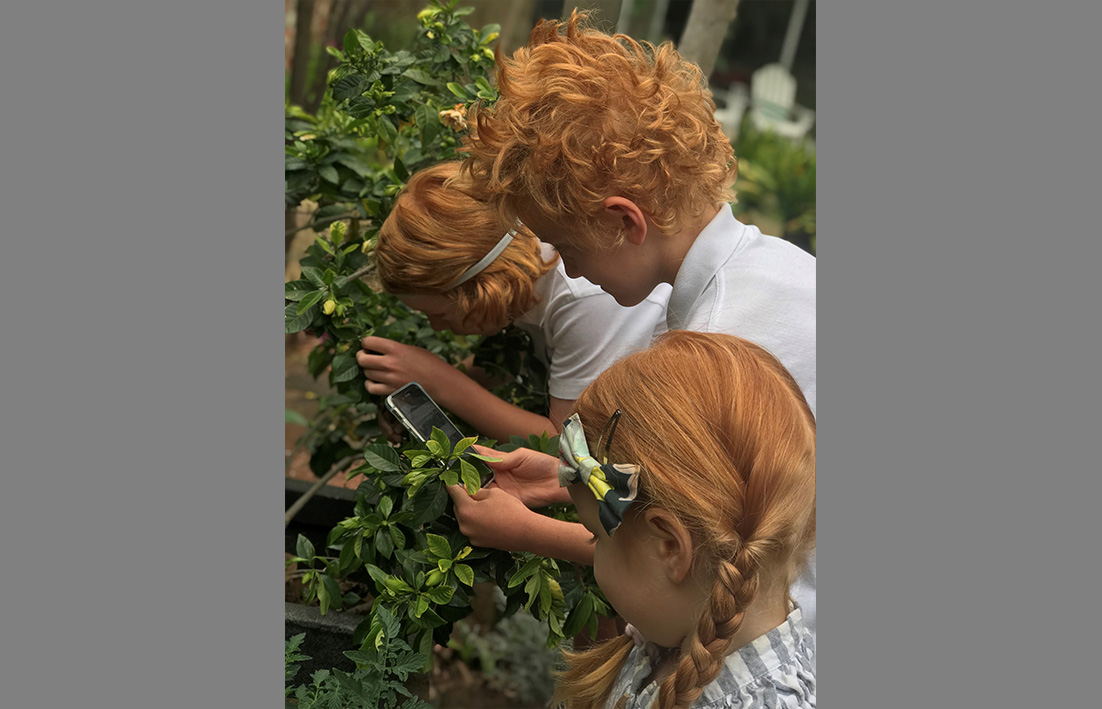
“Public reports of any unusual insect, plant or animal observations are encouraged via DPIRD’s MyPestGuide Reporter app, for which they will an identification report from a department expert.
“DPIRD’s annual Biosecurity Blitz and Bee Pest Blitz attracts strong community participation across the state, highlighting this collective effort.
“Working together –government, industry and community – strengthens WA’s biosecurity defences, while supporting export market access and protecting WA’s agriculture, environment and way of life.”
DPIRD Plant Biosecurity Technical Area Manager Nichole Hammond said citizen science reporting was a vital part of the state’s biosecurity defences.
She said the contributions helped the state maintain and expand market access and since launching Biosecurity Blitz and a suite of MyPestGuide digital tools in 2015, more than 9500 reports have been made.
Farmers, agronomists and the community using the MyPestGuide Reporter app helped identify new spider and insect species.
“The more eyes we have out there the better and early detection is the key to being able to contain and eradicate unwanted pests and diseases before they can establish.”
Pests such as the Qfly can spread rapidly if left unchecked and citizen science plays a vital role in keeping files on records for sightings and building a map of their potential presence.
As reported in Lone Qfly extends quarantine even a single pest can lead to the extension of a quarantine area.
As in the case of the polyphagous shot-hole borer, careful management of a single pest could result in a whole area of trees being preserved from infection and removal.
The MyPestGuide Reporter app can be downloaded for free from Google Play and Apple App Store and can be an easy way for citizens to get involved in science that helps protect state biosecurity.