A LONG-awaited draft decision by the Australian Pesticides and Veterinary Medicines Authority (APVMA) to restrict the use of lethal rodenticides has been met with frustration by local conservationists, who claim the measures don’t go far enough in protecting wildlife.
Following years of advocacy from wildlife groups, the APVMA officially acknowledged on December 16 that current use patterns for second-generation anticoagulant rodenticides (SGARS) are creating unacceptable risks to non-target animals including native wildlife.
In response, the authority has proposed tighter requirements – including instructions for rodent disposal, limits on domestic packet sizes, and a temporary suspension on their import and manufacture while regulations are finalised.
For those on the front lines of wildlife rehabilitation in the Perth Hills, however, the proposal is a missed opportunity.
Second generation anticoagulant rodenticides (SGARS) have been linked to a number of inadvertent poisonings of native wildlife in the local area including Mundaring as reported in Mundaring residents call for rat poison ban.
The most common impact on wildlife is secondary poisoning, where predators like owls, hawks, and possums feeding on already-poisoned rodents inadvertently ingest the poison themselves.
Kanyana Wildlife chief executive officer Danny Shelton, said the decision falls short of the retail ban many expected after the three-year review.
“It’s really not going to change anything,” he said.
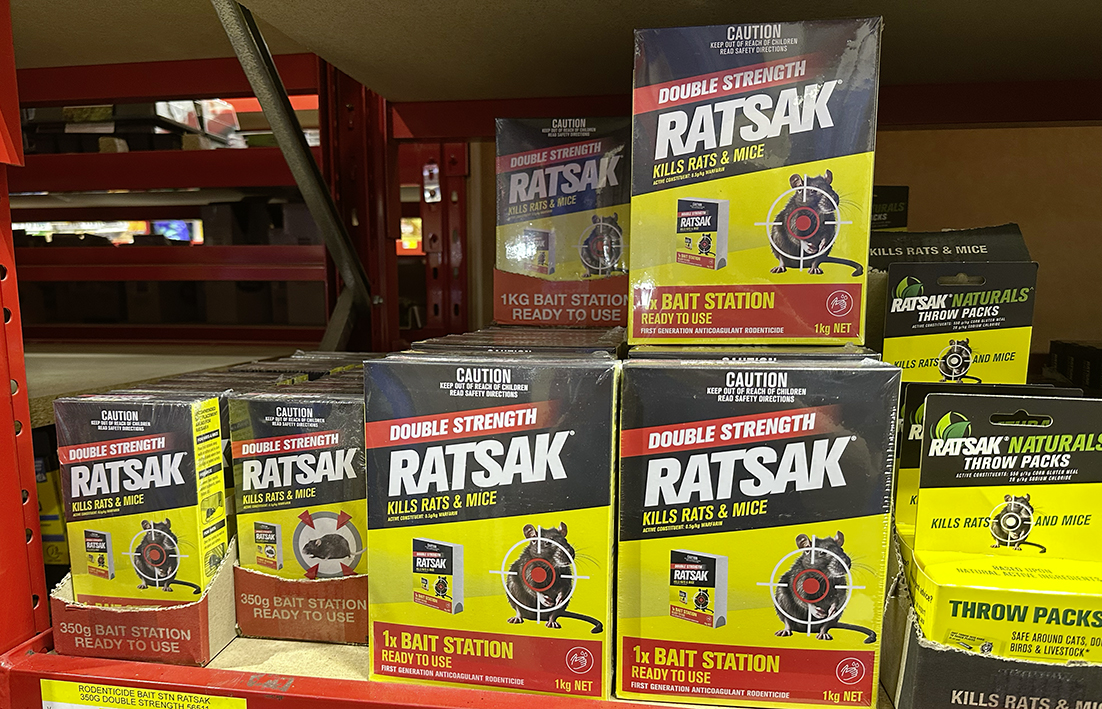
“Most people are still going to go to Bunnings and pick up what they believe is going to work the quickest way possible.
“Just having a warning label on a package isn’t going to change the outcomes for our wildlife,” he said.
The toll of rat bait poisonings is felt daily at conservation centres like Kanyana which treat wildlife affected by second-generation rat bait poisoning every day.
“We have hundreds come through every year,” Mr Shelton said.
“We treat with vitamin K as soon as they arrive, but it’s very hit and miss, the success rate really depends on how early you get them.”
Mr Shelton believes that while SGAR’s are easy and quick, people should look at alternative ways to stop rat and mice infestations that don’t unintentionally harm wildlife.
“The humane traps that catch them without killing them are probably the best thing,” he said.
“A lot of it is removing attractants, if there is no food or attractant for rats and mice, then you won’t need to put out rat baits.”
Mr Shelton urges anyone who comes across wildlife acting strangely and showing signs of poisoning to bring them to their local wildlife hospital or conservation centre for treatment.
“If wildlife allows you to walk up to it, that is generally a sign that something is wrong,” he said.
“If you can pick it up, bring it to your closest vet or one of the wildlife rehab centres around the Perth metro.”
A consultation period on the proposed decision is open with the APVMA welcoming written submissions which will be considered before the final regulatory decision.
Submissions are open until March 16 and for more information visit their website.