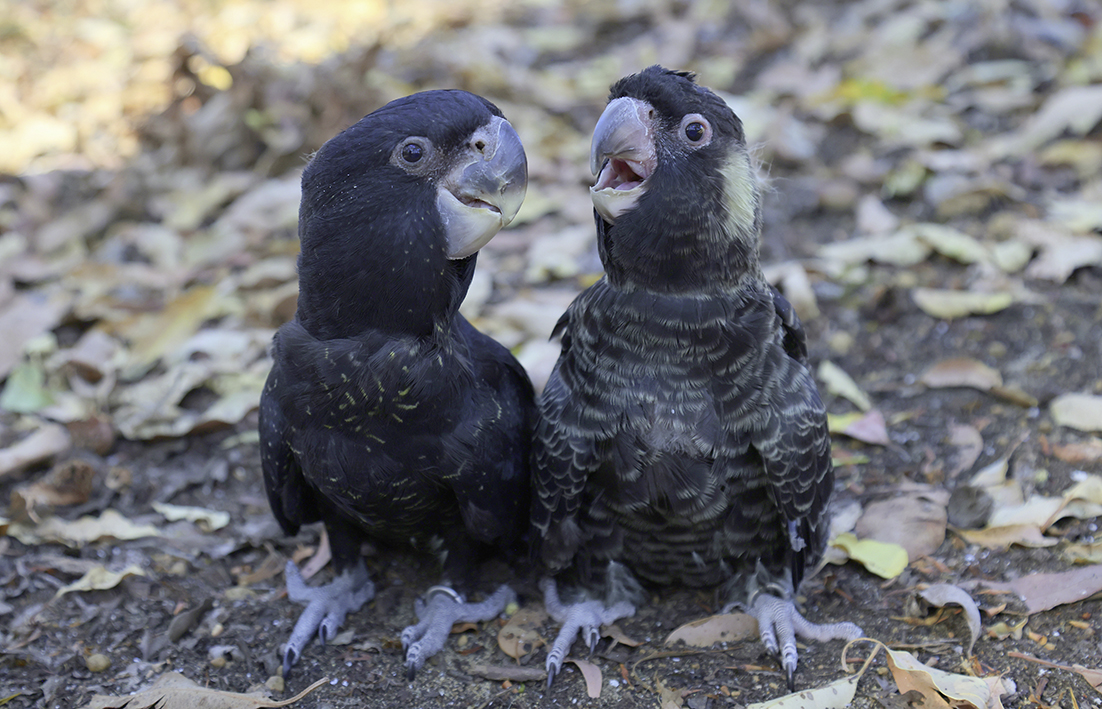
ARTIFICIAL tree-hollows placed throughout habitat burned by the Parkerville, Stoneville and Mount Helena wildfires are still producing endangered cockatoo nestlings more than 10 years after they were installed.
In May 2015, a project initiated by Shire of Mundaring using feedback from residents concerned about the impacts of the 2014 wildfire that destroyed 56 human homes to wildlife, saw a range of artificial tree-hollows installed.
These tree hollows, also known as nest-boxes, were designed to replace some old trees bearing natural hollows that were destroyed in parts of Parkerville and Stoneville where the wildfire was particularly destructive.
The ReCycOlogy Project, a small Perth Hills family business based in Mount Helena, was engaged by the shire’s post fire disaster team to carry out the installation work.
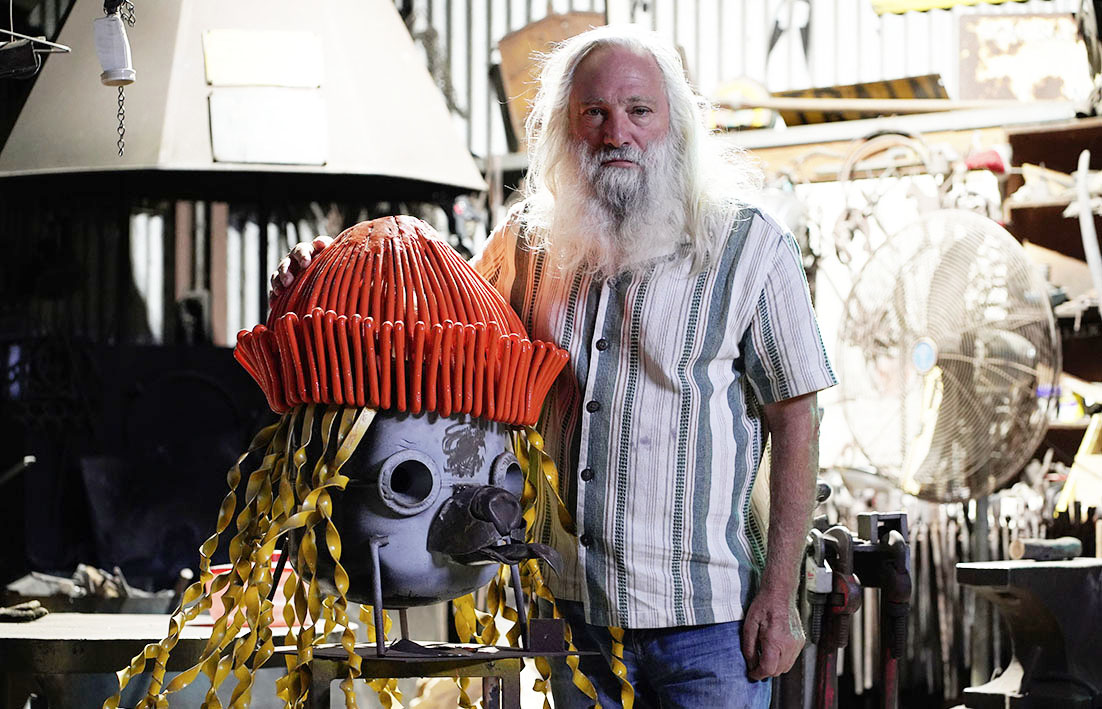
ReCycOlogy manager and environmental scientist Simon Cherriman said it was a privilege to be part of a project that aimed to help the land heal and create some positive energy at a time when there was lots of sad feelings during the recovery phase.
“The community’s desire to help wildlife was so inspiring and many people helped supply materials and labour,” he said.
“One person even donated several burned boxes of wood screws from their incinerated shed, which were perfectly usable for assembling the nest-boxes… they’re still in place all these years later.
“I knew the boxes would help a range of species but couldn’t possibly have predicted the success it would bring to black cockatoo conservation in the years that followed.”
Since the first two records of endangered Carnaby’s cockatoo chicks successfully fledging from fire-affected areas in late 2015, a dozen more have flown from their artificial nests and taken to the sky.
More recently, healthy Forest Red-tailed black cockatoo nestlings have been fledged.
All these birds came from a handful of nest-boxes in a relatively small area.
Beyond that site and outside the immediate scope of the post-wildfire recovery project, more than 60 artificial tree hollows have been installed, mostly on private land, throughout the shire in the last decade.
Most boxes have been installed by ReCycOlogy but a number have also been made by volunteer landowners in their own time.
Collectively, they have made a significant contribution to cockatoo conservation in the shire, with at least half producing cockatoo nestlings each year.
Shire of Mundaring environment and sustainability manager Mike Pengelly said that all three of southwest WA’s endemic black cockatoo species rely heavily on habitat within the shire, and two of those bred regularly in the area.
“Each year a group of volunteer shire residents assists with monitoring nest-boxes, mostly on private land,” he said.
“Those with cockatoos are checked and Simon fits uniquely numbered leg-bands to nestlings as part of a research project being led by retired Western Australian Museum curator and adjunct ornithologist Ron Johnstone.
“It provides community members with a unique opportunity to see the birds and feel engaged as part of a positive conservation story.”
Dr Cherriman said black cockatoos can’t survive, let alone have a family without food and water and a lot of work to do to maintain fragments of native vegetation, especially mature gum trees and stands of Banksia and Hakea shrubs.
“This includes factoring in how fire, planned and otherwise, impacts the flowering cycle of understorey shrubs,” he said.
“Without seeds, cockatoo nestlings starve, and adults have to fly further afield to find food.
“I’m so inspired by this community though.
“There are so many people willing to manage their properties to be cockatoo friendly.
“Hearing the sounds of these birds on a daily basis is a sign of a healthy forest.”
Dr Cherriman said success in the next 10 years would be achieved by retaining critical native vegetation that acts as food for the breeding cockatoos.
“This means more people working to protect what they have on their land through weed control, not killing food plants with fire during breeding season and revegetating cleared areas,” he said.