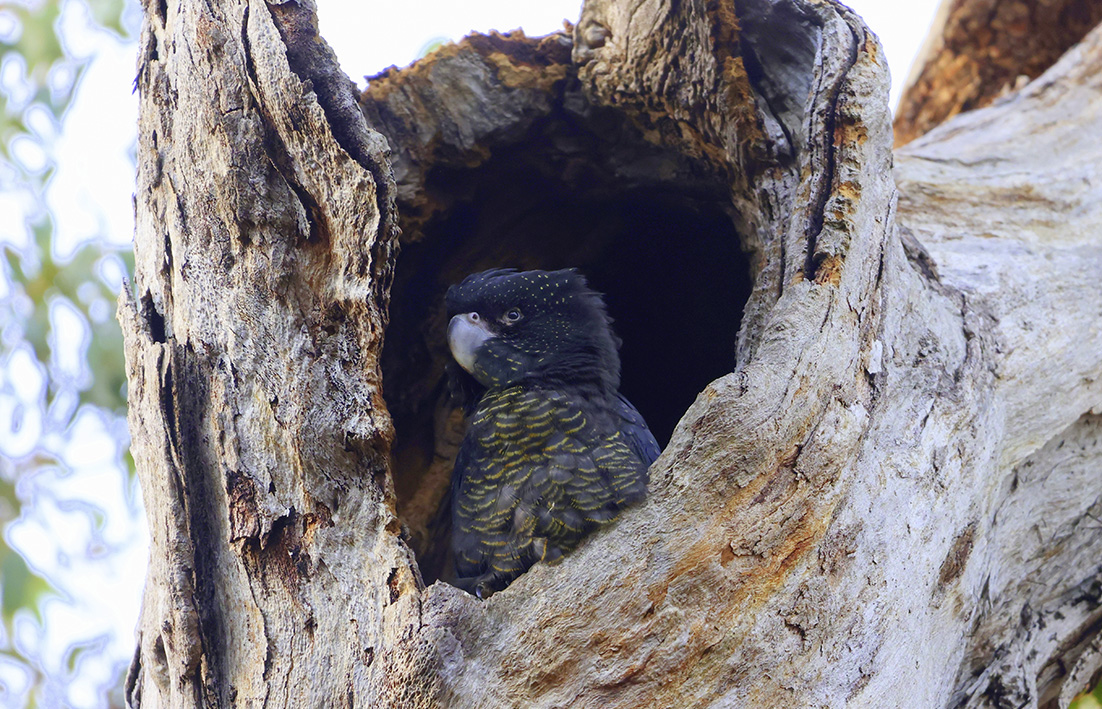
PERTH Hills had a remarkable red-tailed black cockatoo breeding season with a record number of more than 20 fledglings produced in the past 12 months.
Endemic to south-west WA, the subspecies relies on hollows in marri trees at least 200 years old in which to breed.
However, long-term research by the WA Museum has shown they may not nest annually, with gaps of up to 15 months in breeding.
Competition for nests from invasive species, and ongoing threats of habitat loss through deforestation, has seen them listed as vulnerable under both state and federal environmental legislation.
Environmental scientist Simon Cherriman, an ornithologist assisting the WA Museum with their ongoing research, said he was thrilled to see the species doing well.
“Red-tails have been breeding continuously in the Perth Hills since August 2025,” he said.
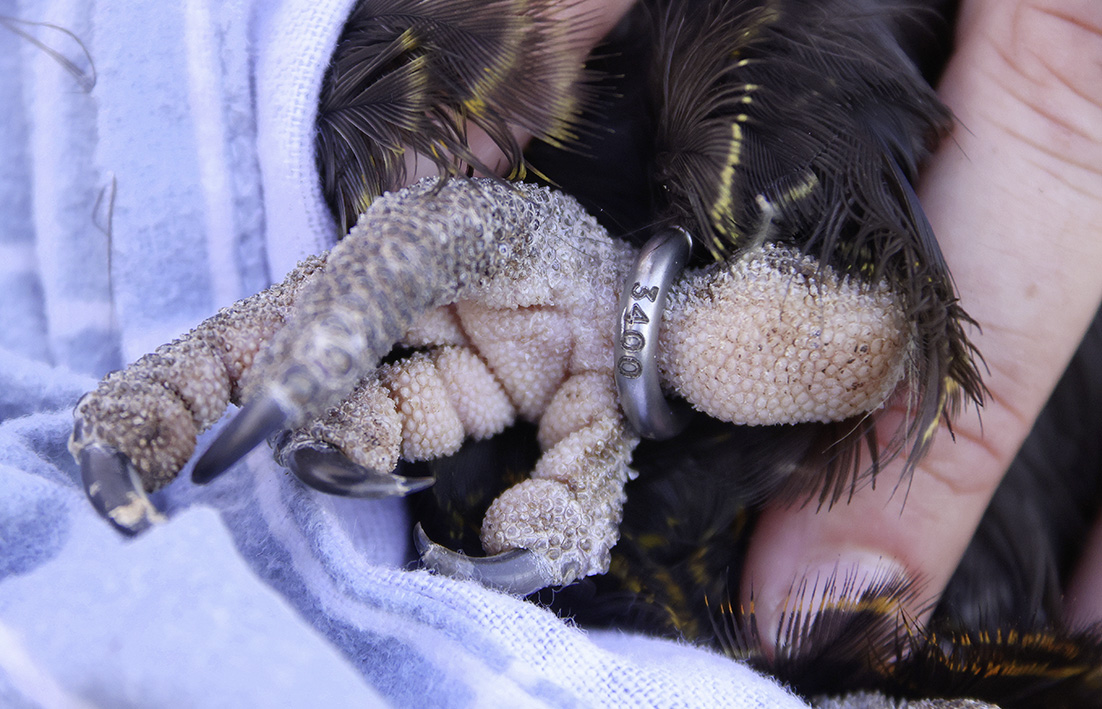
“We have fitted uniquely numbered leg-bands to over 20 nestlings, more than five times the number in the previous season.”
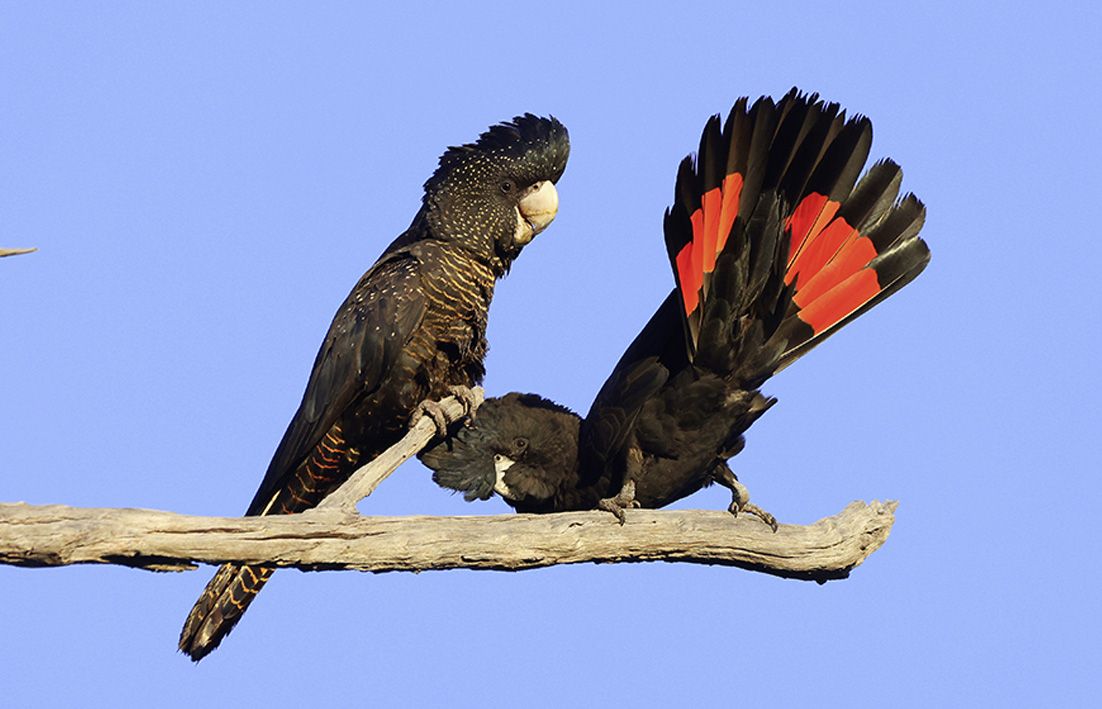
“Many were raised last spring but others during a bout of autumn nesting, and it appears this streak is continuing, with courtship behaviour and activity at nests still being observed now.
“One third of these chicks have been raised in nest-boxes I’ve made and installed in recent years, which shows conservation initiatives on private land can be successful.”
Unlike the migratory white-tailed black cockatoos, forest red-tails are largely sedentary, spending their long lives in family groups among relatively small parts of the jarrah forest.
The WA Museum found banded juveniles usually moved less than 3km from the nest tree in which they hatched.
“This finding places emphasis on the importance of preserving all remaining forest habitat for these birds and their new offspring,” Dr Cherriman said.
“Every marri and jarrah tree is one aisle at their local shop.”
Shire of Mundaring councillor John Daw said planning decisions like the refusal of SP34 proposal, set to clear habitat for development, helped red-tailed cockatoos and many other species survive.
“We all need to work together to preserve trees on private and public land, and increase the habitat available by revegetating cleared land with locally native trees and shrubs like jarrah, marri, blackbutt, sheoak and hakea,” he said.
Dr Cherriman said while people often complain about the mess cockatoos made by dropping shredded marri fruit, they also provided a free service.
“(Gumnut removal) reduces the chance (tree) limbs will snap,” he said.
“And when you see those red tail-feathers flash in the afternoon sun, it’s enough to brighten anyone’s day.”