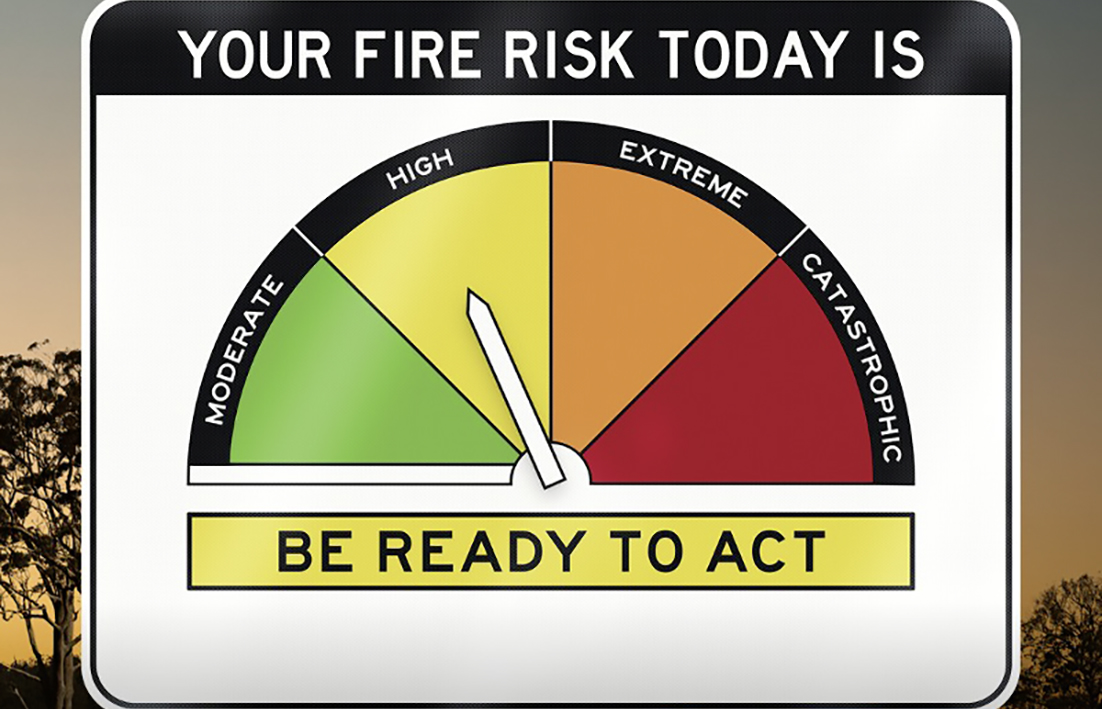
EXTREME heat and severe weather are not confined to the summer months and so while summer is just around the corner, Western Power has been working year-round to ensure the network is prepared for the impact these conditions can have on electricity supply.
Every year the corporation undertakes a $1 billion comprehensive package of maintenance programs and bushfire mitigation works to prepare the network for extreme weather events.
“Prolonged high temperatures, summer storms and bushfires can have a significant impact on the network, which is why we do everything we can to prepare, delivering key upgrades and mitigation works which increase the resilience of our network,” a spokesperson said.
These works include comprehensive maintenance of poles and wires, as well as bushfire mitigation programs such as network inspections and timely condition remediation, adjustments to switching patterns to manage demand, and vegetation management near power lines.
“Reliability continues to be a key focus for our business, especially considering the complex and increasing challenges of climate change impacts and extreme weather events,” they said.
Western Power executive Gair Landsborough said demand on the network during summer was continually increasing.
“Over the last two summers we’ve experienced the top 10 highest demand days in the history of the network, and while 100 per cent reliability can never be guaranteed, we do everything we can to maintain reliability of 99.92 per cent even with the increasing demand.
“We know outages over summer can be inconvenient and uncomfortable, and our targeted year-round works programs are aimed at minimising the chance of outages occurring. We work to ensure we have additional resources where required and mobile specialist staff along with emergency response generators where possible.
“We’re constantly enhancing our capacity to respond to emergency events, adopting a cloud-based emergency management solution, bringing us in line with DFES and WA Police, increasing our inter-agency cooperation with organisations like DFES, and working closely with the Bureau of Meteorology to obtain detailed weather briefings to prepare for unique extreme weather conditions that impact our network,” Mr Landsborough said.